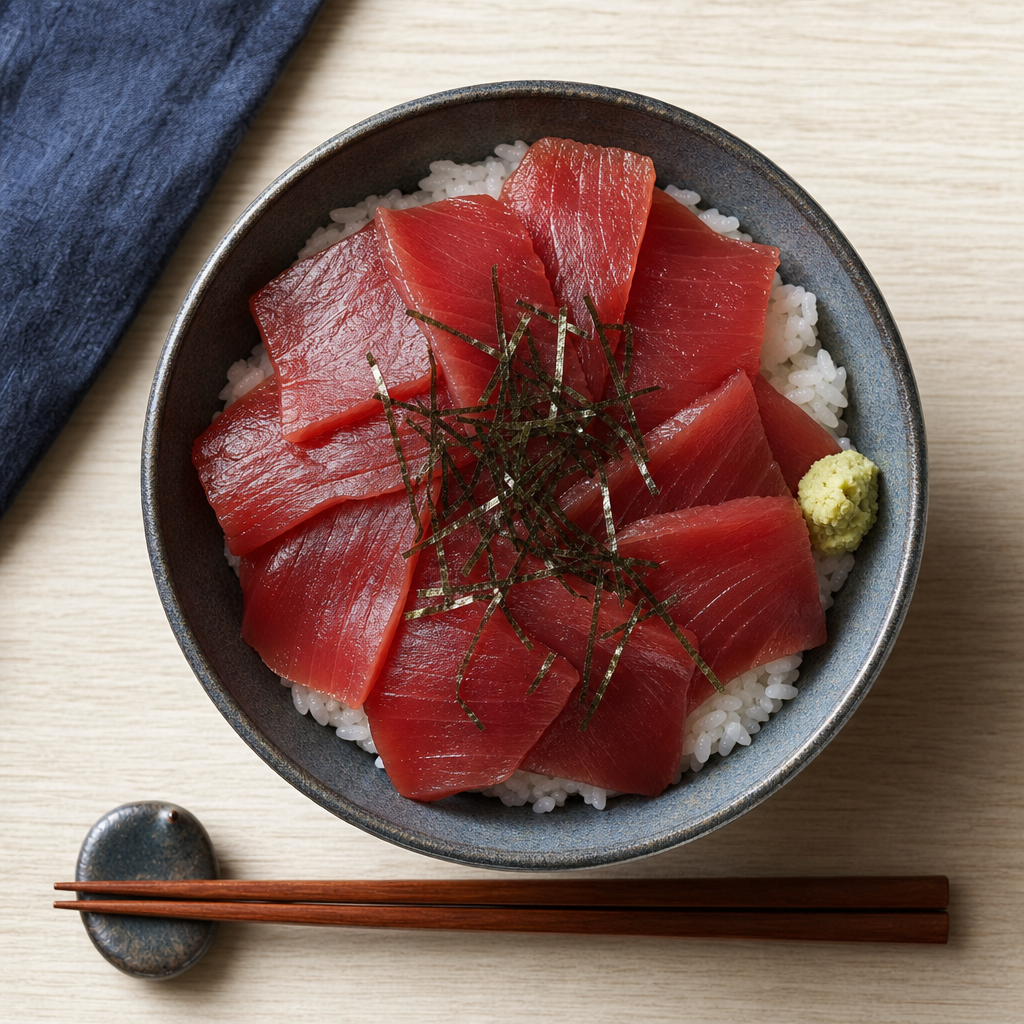
Tuna Nigiri
The dish in context
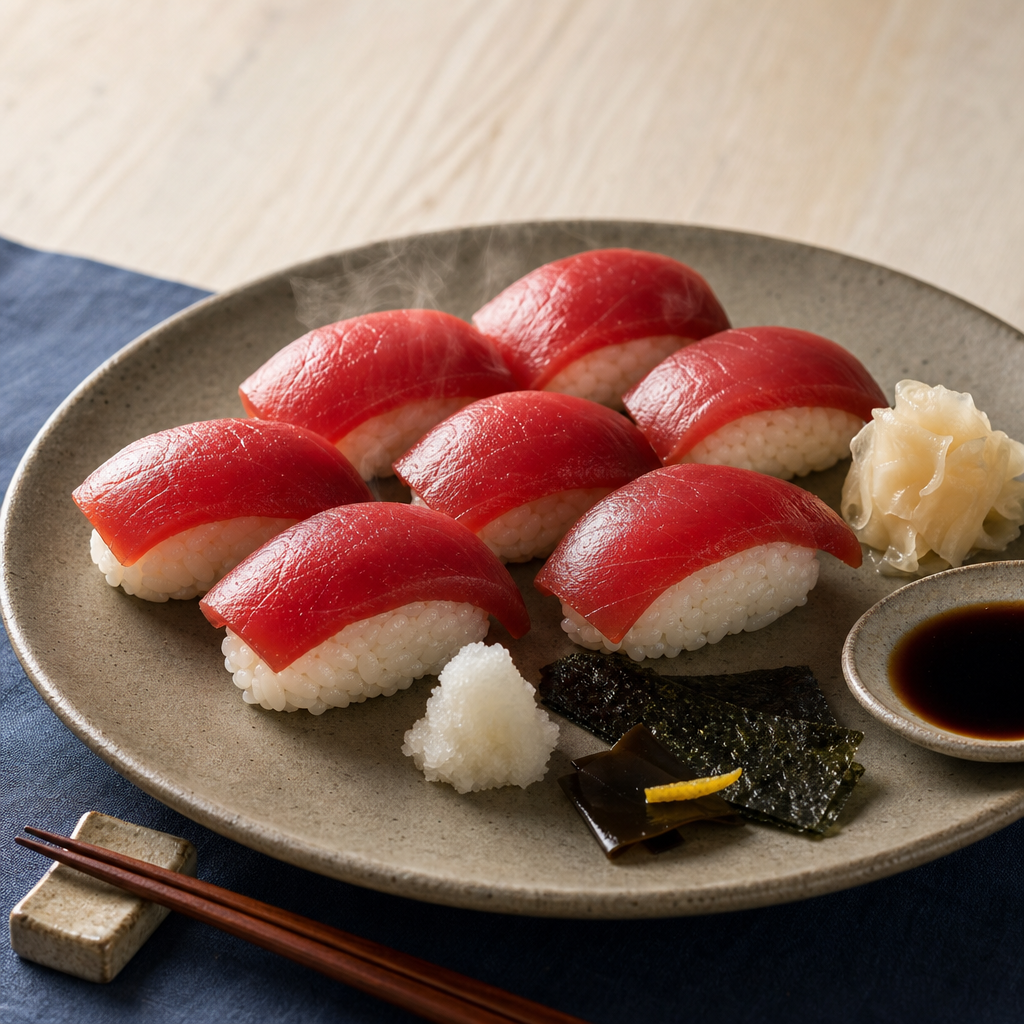
Nigiri sushi developed in Edo, now Tokyo, as a compact way to serve seasoned rice with seafood from Tokyo Bay and nearby markets. Tuna, now central to sushi culture, was not always treated as luxury fish; red-fleshed maguro became more prominent as preservation, refrigeration, and Edomae technique evolved. Modern tuna nigiri ranges from lean akami to fatty chutoro and otoro, but the basic structure stays restrained: rice, wasabi, fish, and controlled soy. Home versions rarely match a sushi counter's knife work, so the priority is correct rice temperature, safe fish sourcing, and clean single-stroke slicing.
Method 8 steps · 75 min
Wash and soak the rice
Rinse the short-grain rice 3-5 times, changing the water until it runs nearly clear. Drain well, then soak with the measured cooking water for 30 minutes.
Cook and rest the rice
Cook the soaked rice with the kombu, if using, in a rice cooker or covered heavy saucepan. Remove the kombu before the rice sits, then rest the cooked rice covered for 10 minutes.
Make the sushi vinegar
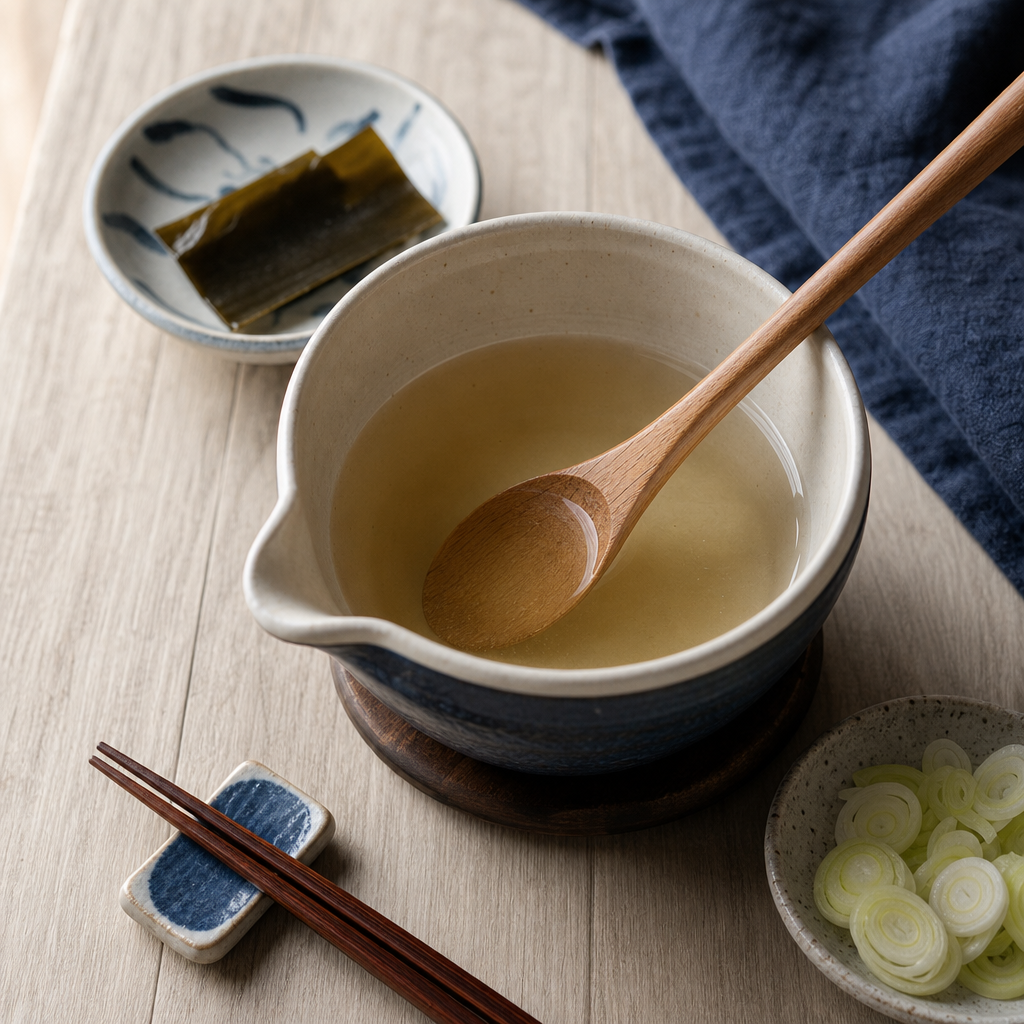
Stir the rice vinegar, sugar, and salt until fully dissolved. Warm it slightly if needed, but do not boil it.
Season the rice
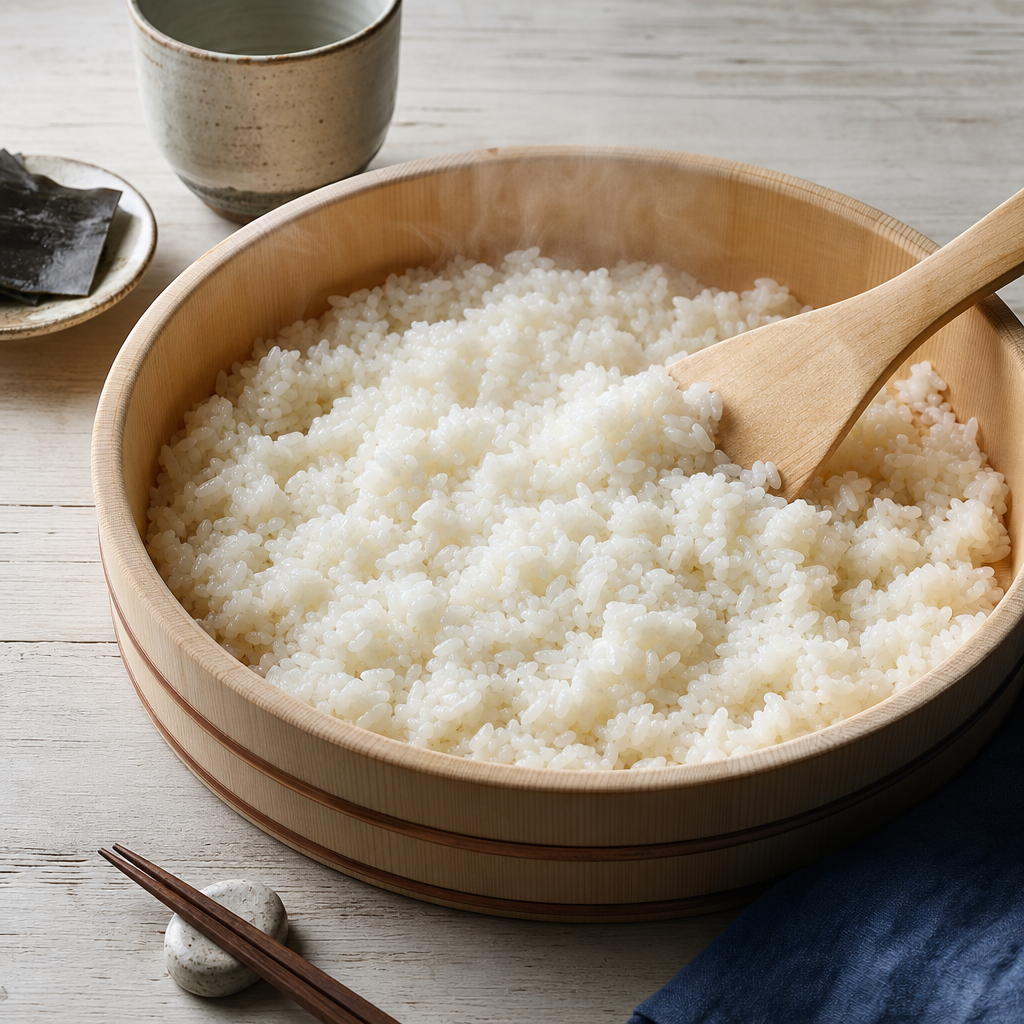
Turn the hot rice into a wide wooden hangiri or a shallow nonreactive tray. Sprinkle over the sushi vinegar and fold with a rice paddle using cutting motions while fanning until the grains look glossy and the rice is warm, not hot.
Cut the tuna
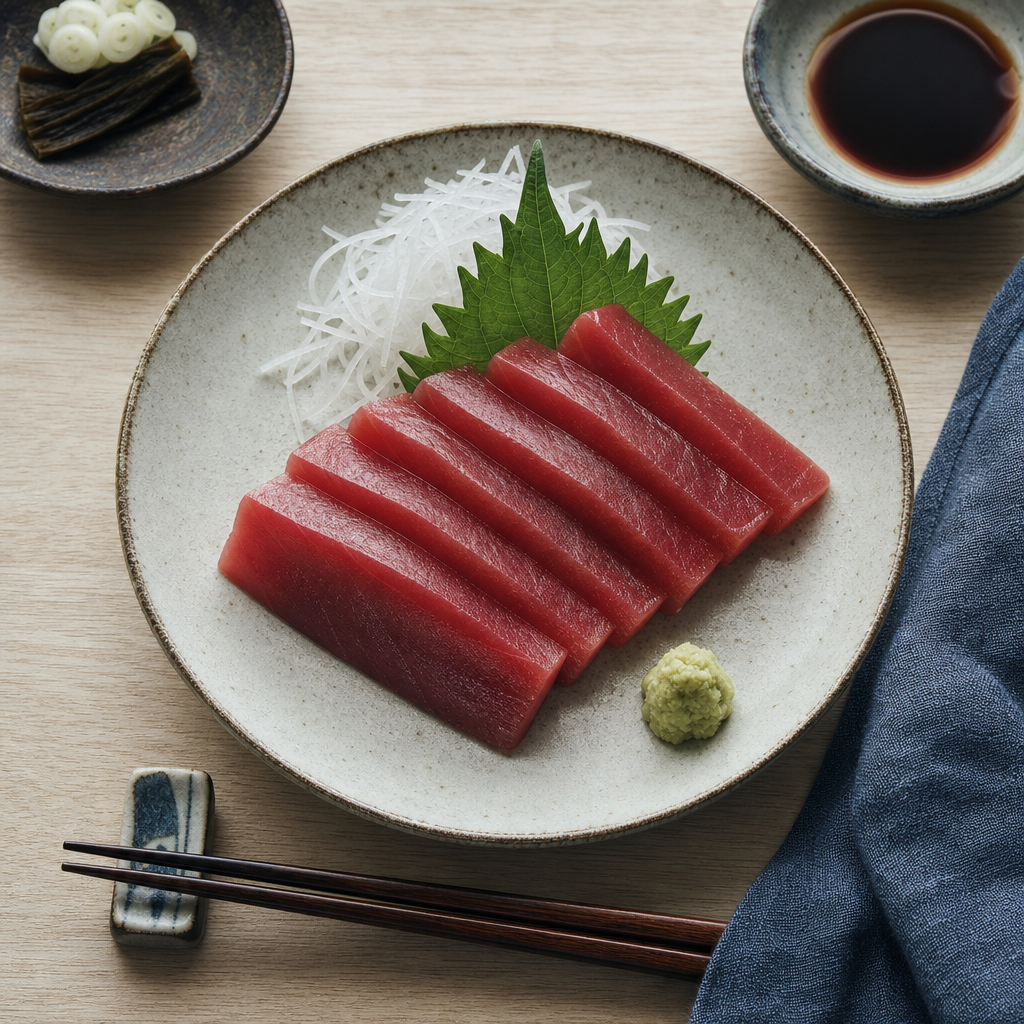
Chill the tuna until firm but not icy. With a long sharp knife, slice across the grain in one smooth pull at a shallow angle, making 16 slices about 6-7 cm long, 3 cm wide, and 4-5 mm thick.
Portion the shari
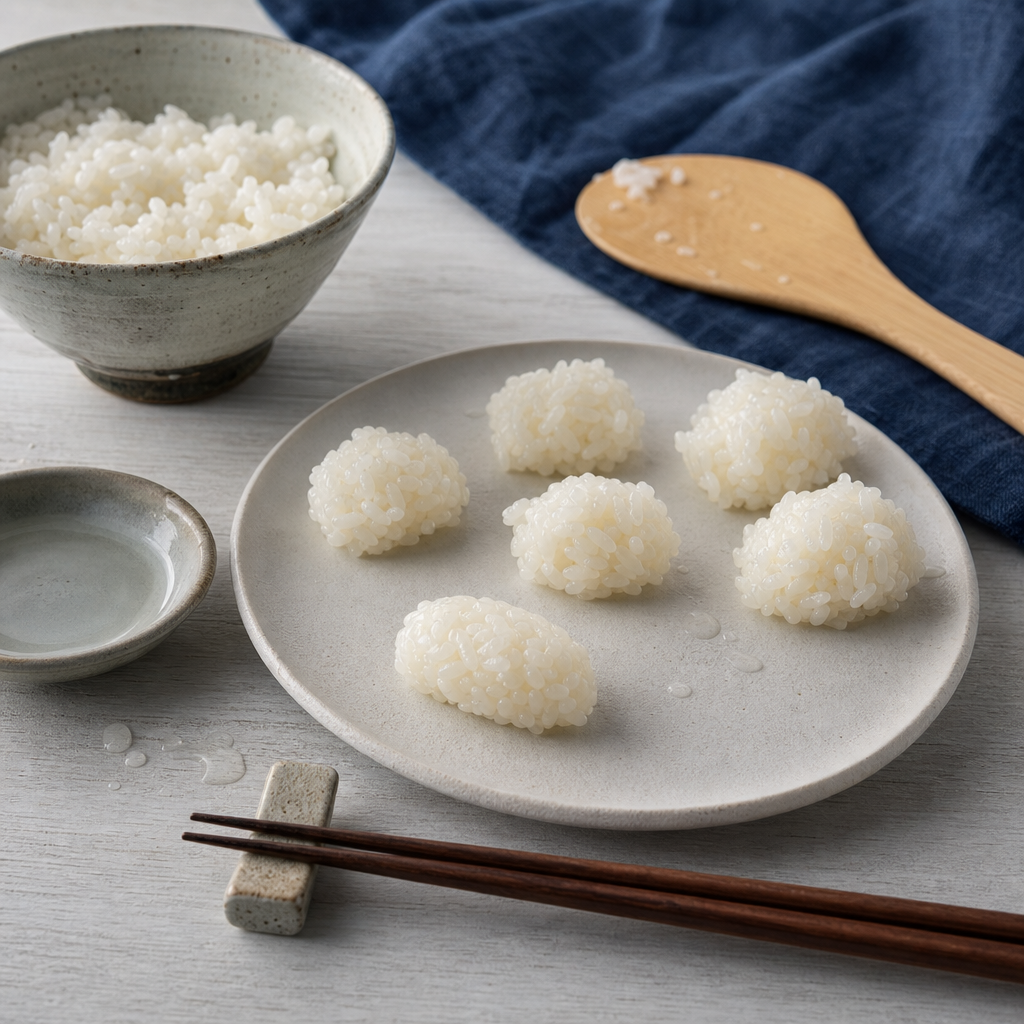
Dampen fingertips lightly with tezu. Pick up 18-20 g warm sushi rice and form it into a loose oval, about the length of the tuna slice's center section.
Add wasabi and shape
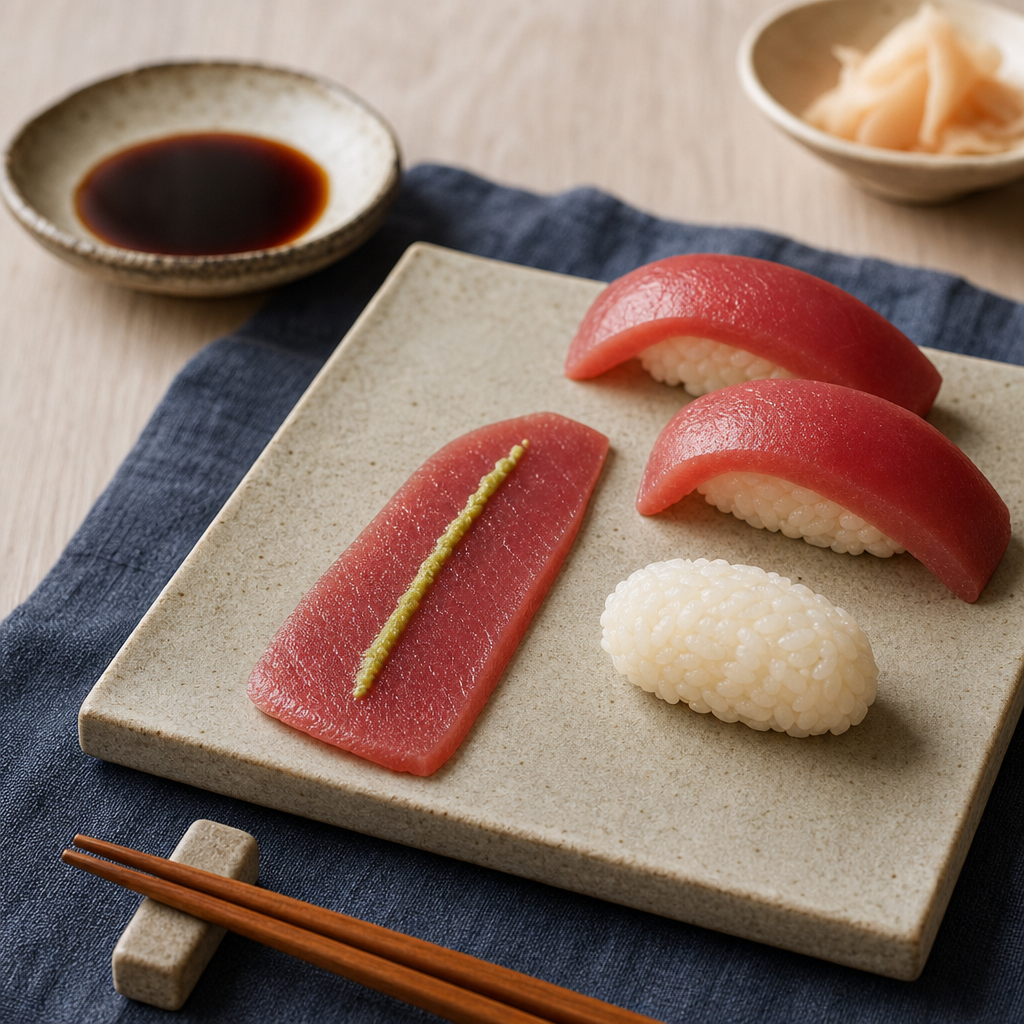
Lay one tuna slice across the fingers of the non-dominant hand, smear a small line of wasabi on its underside, and place the rice oval on top. Press the rice once into the fish, turn the nigiri over, then press the sides and top lightly to set the shape.
Serve immediately
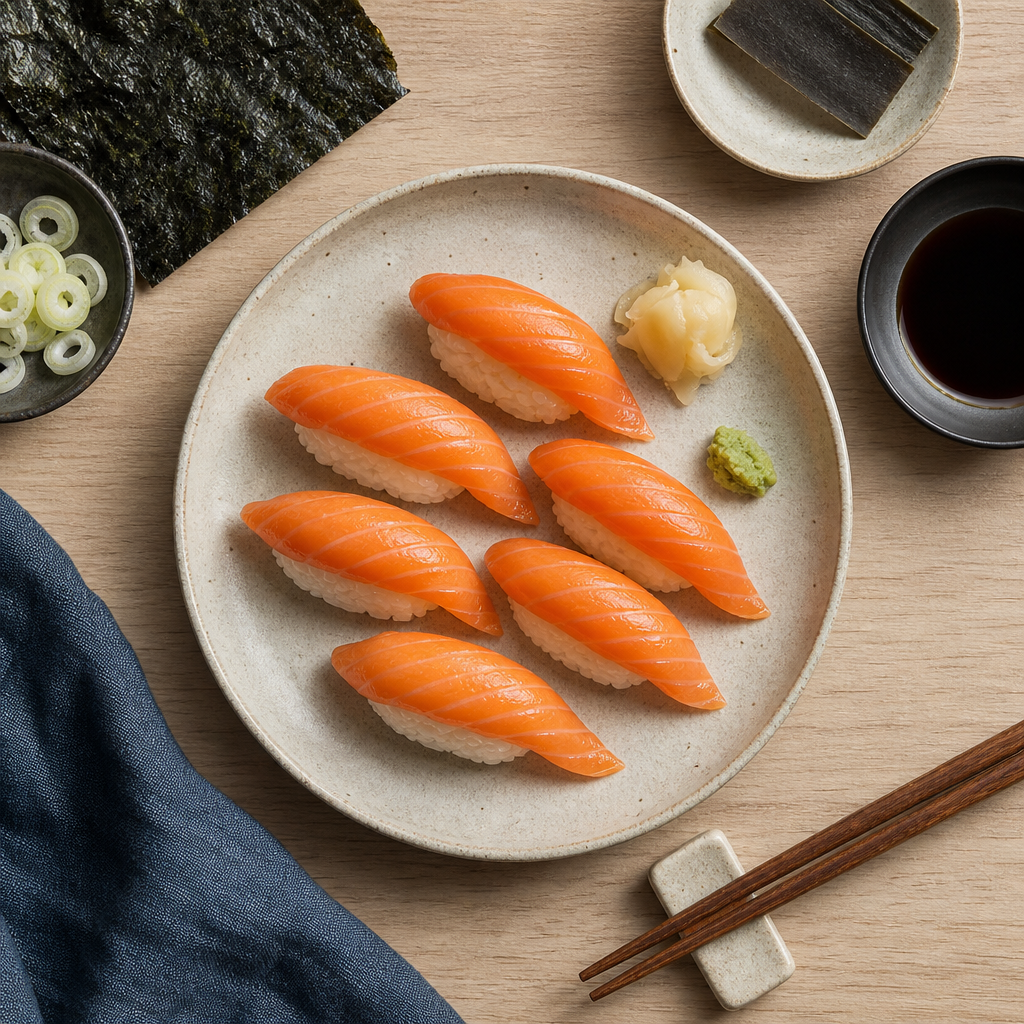
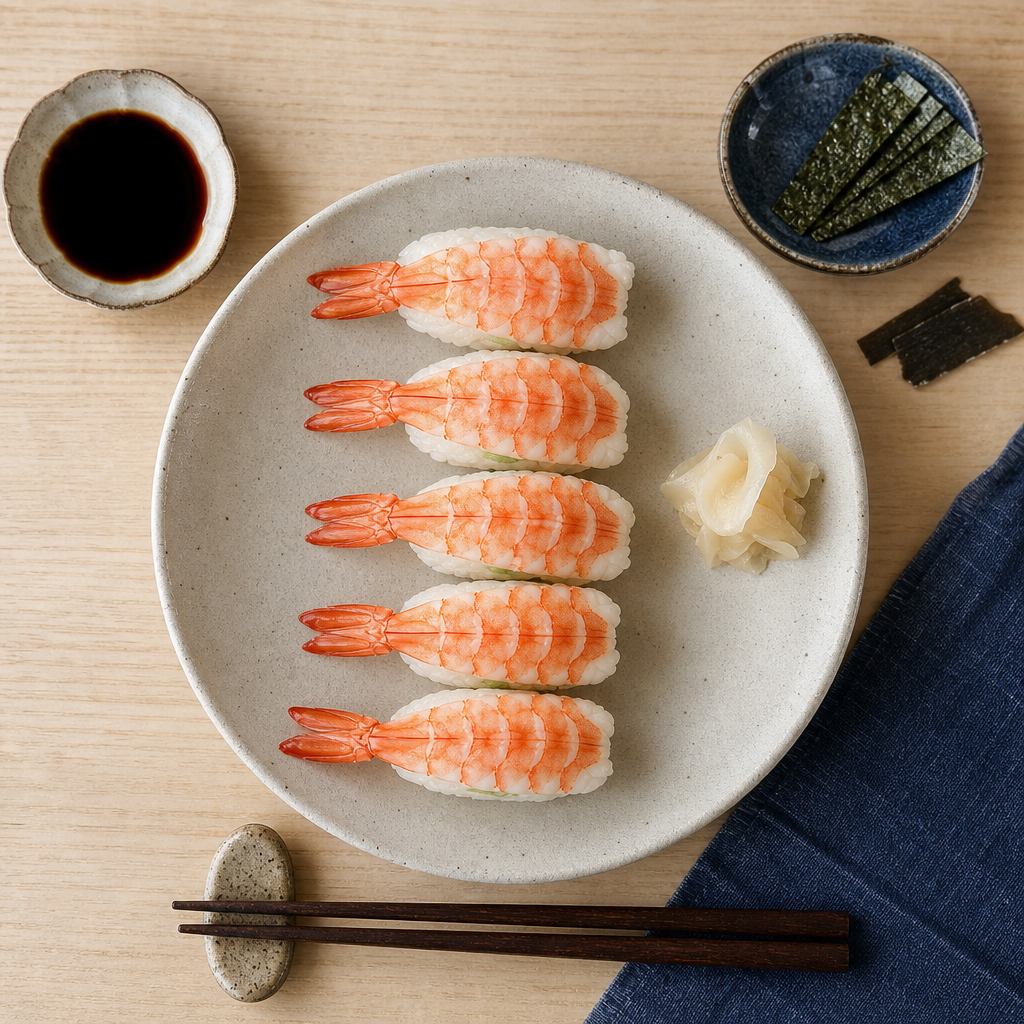
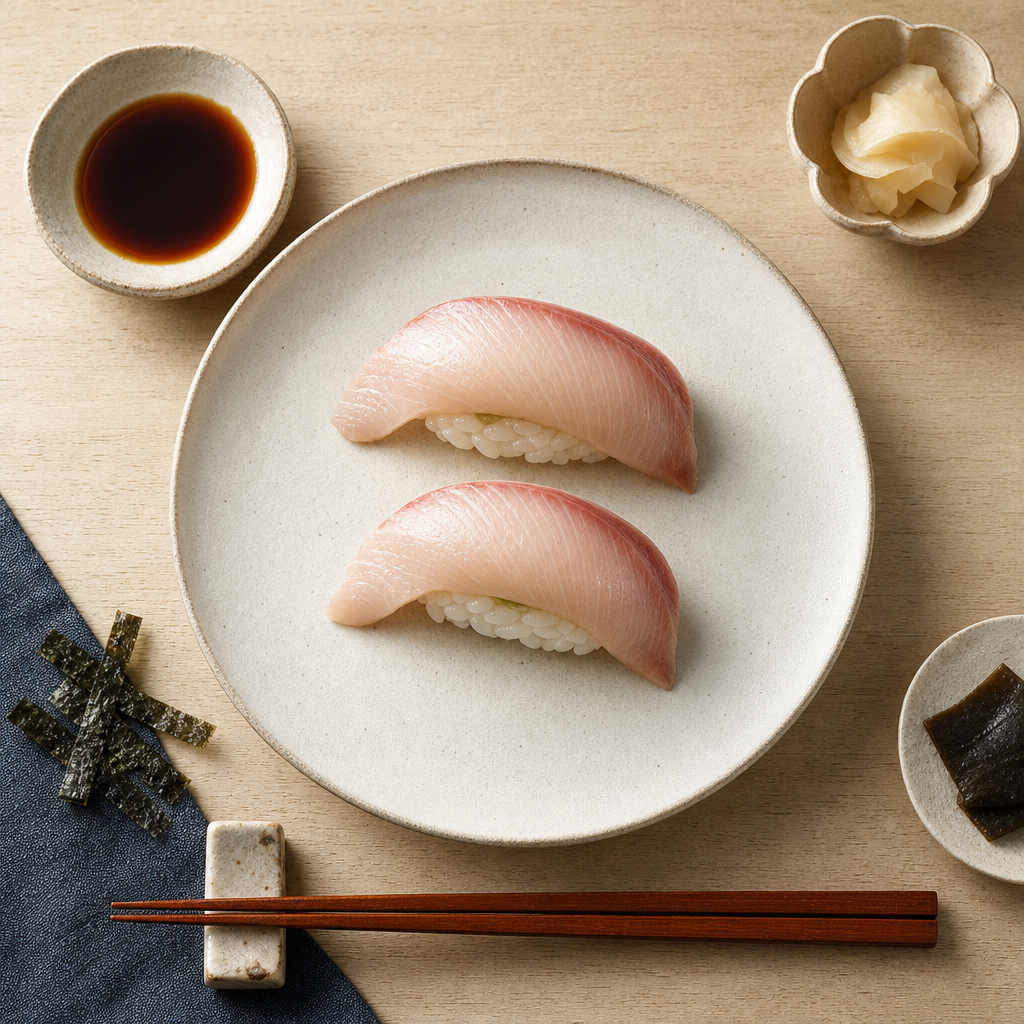
Arrange the nigiri in rows and serve with gari and shoyu. Dip fish-side down into soy sauce; rice-side dipping floods the grains and breaks the piece apart.
Common mistakes
- {'mistake': 'Using long-grain rice', 'fix': 'Use Japanese short-grain rice. Long-grain rice will not form a tender, cohesive shari.'}
- {'mistake': 'Shaping cold rice', 'fix': 'Shape the rice at body temperature. Cold shari turns firm and tastes muted against raw fish.'}
- {'mistake': 'Compressing the rice too hard', 'fix': 'Use light pressure and stop as soon as the oval holds. Nigiri should collapse cleanly in the mouth, not chew like a rice cake.'}
- {'mistake': 'Sawing the tuna', 'fix': 'Use a long sharp knife and one continuous pull. Ragged slices expose torn fibers and look dull.'}
- {'mistake': 'Letting fish sit warm during shaping', 'fix': 'Keep sliced tuna chilled and shape in small batches. Raw tuna should stay cold until it meets the warm rice.'}
- {'mistake': 'Dipping the rice into soy sauce', 'fix': 'Turn the nigiri and dip the fish side. Soy-soaked rice overwhelms the seasoning and falls apart.'}
What does not belong
- {'item': 'mayonnaise', 'reason': 'Mayonnaise belongs to some modern rolls and tuna salad fillings. It does not belong on maguro nigiri.'}
- {'item': 'sesame oil', 'reason': "Sesame oil masks raw tuna's clean iron and fat. It turns nigiri into a dressed tuna bite."}
- {'item': 'sriracha or spicy mayo', 'reason': 'Spicy sauces erase the point of nigiri knife work and rice seasoning. Use chopped spicy tuna for that format.'}
- {'item': 'long-grain rice', 'reason': 'Long-grain rice cannot make proper shari. It stays separate or turns broken and wet when forced.'}
- {'item': 'teriyaki sauce', 'reason': 'Sweet teriyaki glaze does not belong on raw tuna nigiri. It is too thick, too sweet, and structurally wrong.'}
- {'item': 'cream cheese', 'reason': 'Cream cheese is an American-roll ingredient. It has no place in lean Edomae-style tuna nigiri.'}