Tekkadon
The dish in context
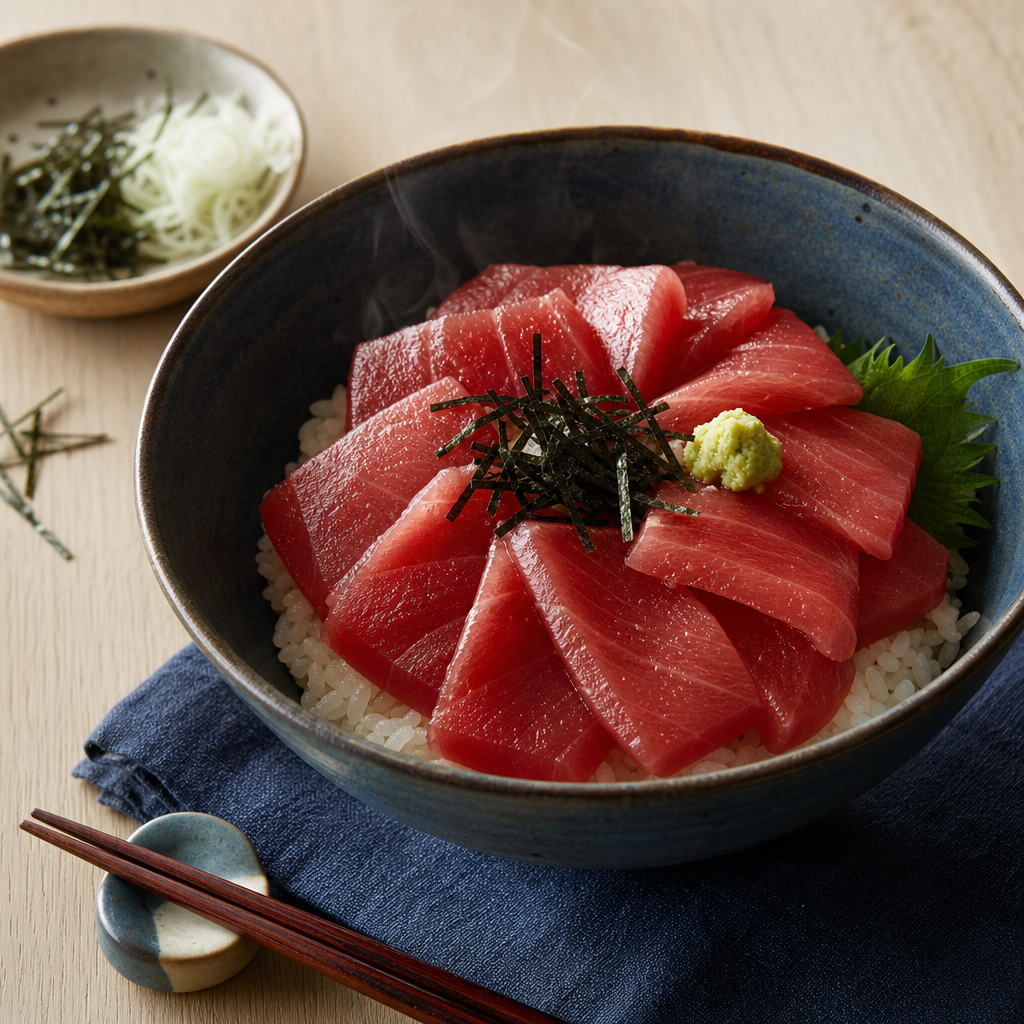
Tekkadon is a tuna donburi: sliced raw maguro over sushi rice. Japanese reference usage distinguishes it from broader magurodon by two points that matter in the bowl: tekkadon uses vinegared sushi rice, and the tuna is usually lean red akami rather than fatty belly or mixed cuts. The word tekka is associated with gambling rooms, the same background often given for tekka-maki, where a compact tuna-and-rice food could be eaten without elaborate table service. Modern versions range from plain sliced tuna to zuke tekkadon, where the fish is briefly marinated in soy-based sauce; this recipe keeps the standard un-marinated form.
Method 7 steps · 60 min
Wash and soak the rice
Rinse the short-grain rice in several changes of cold water until the water runs nearly clear, then drain well. Soak with the measured cooking water for 30 minutes.
Cook and rest the rice
Cook the rice in a rice cooker, or bring it to a boil in a covered pot, reduce to low, cook 12 minutes, then turn off the heat and rest 10 minutes without lifting the lid.
Make the sushi vinegar
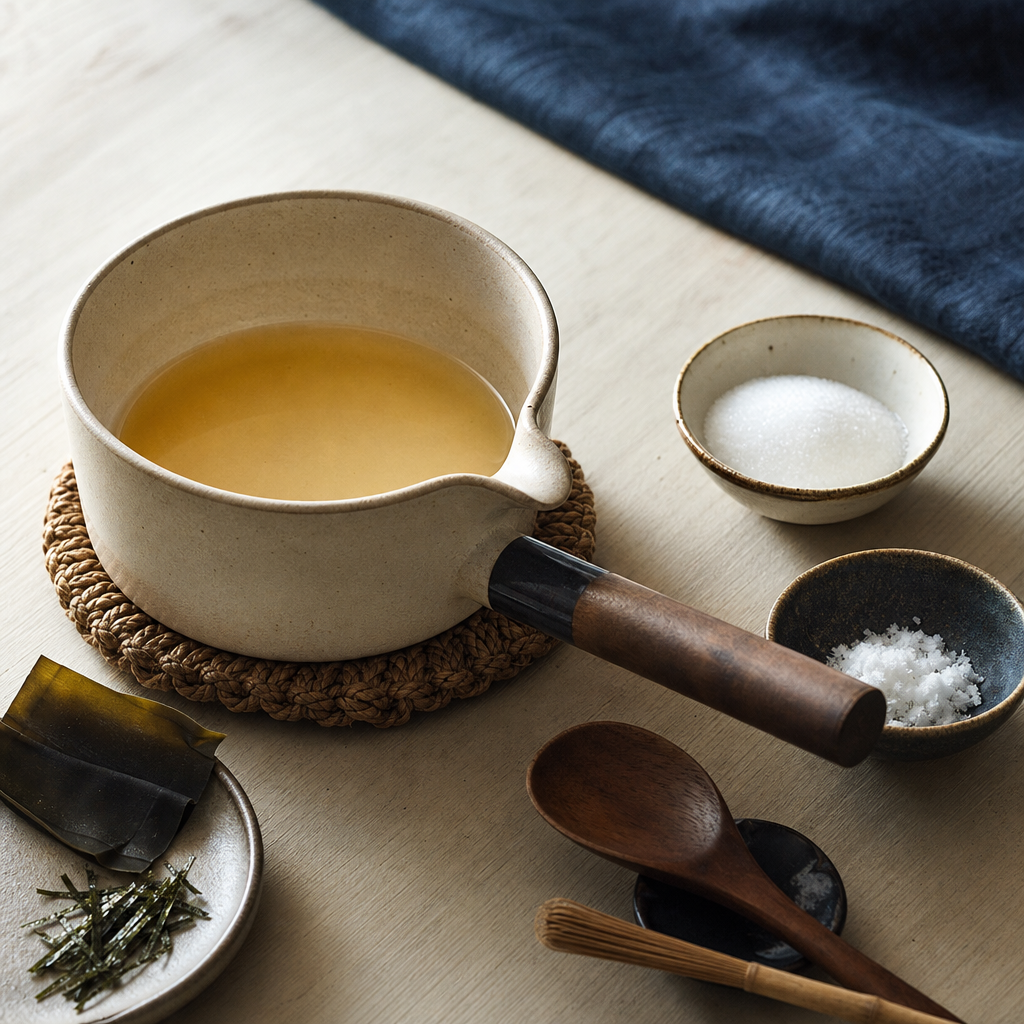
Warm the rice vinegar, sugar, and salt only until the sugar dissolves. Do not boil it.
Season the rice
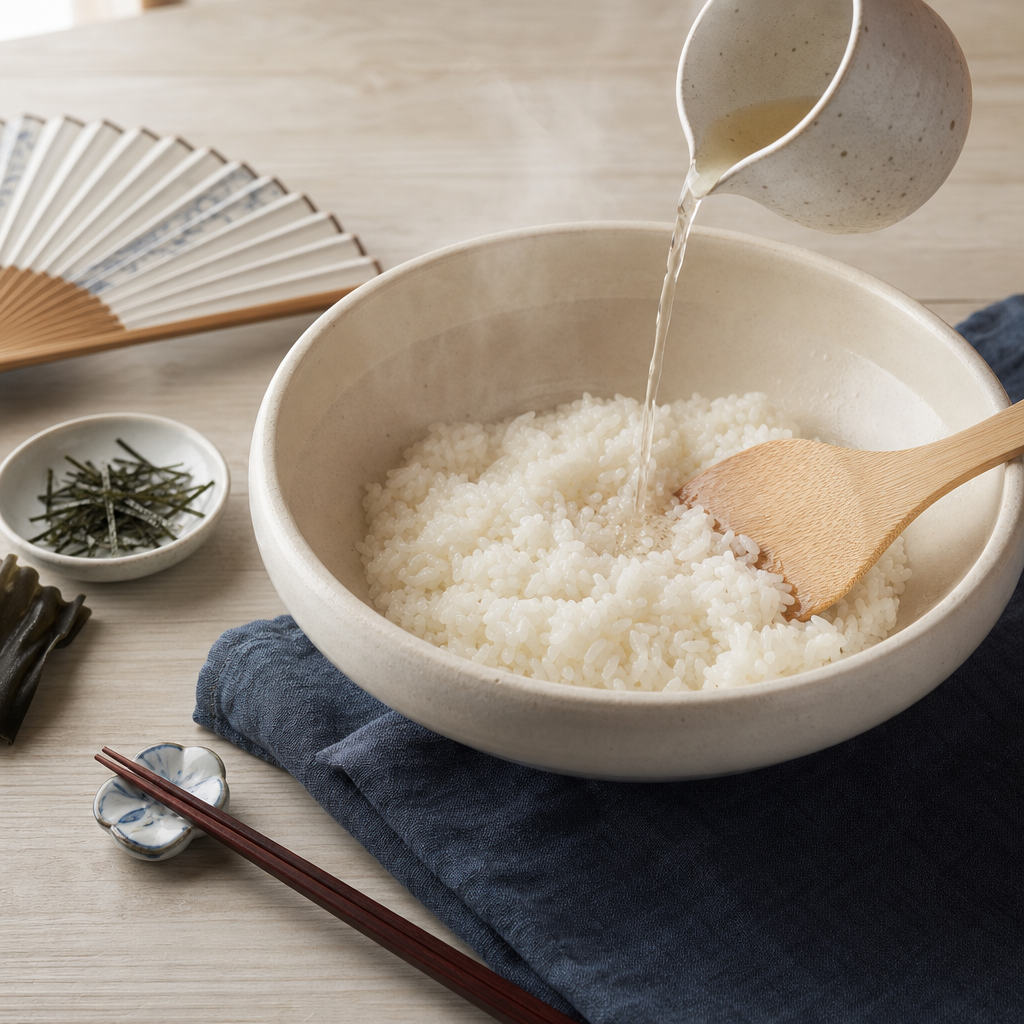
Transfer the hot rice to a wide bowl. Pour the sushi vinegar over it and fold with a rice paddle using cutting motions while fanning until the rice turns glossy and stops steaming aggressively.
Slice the tuna
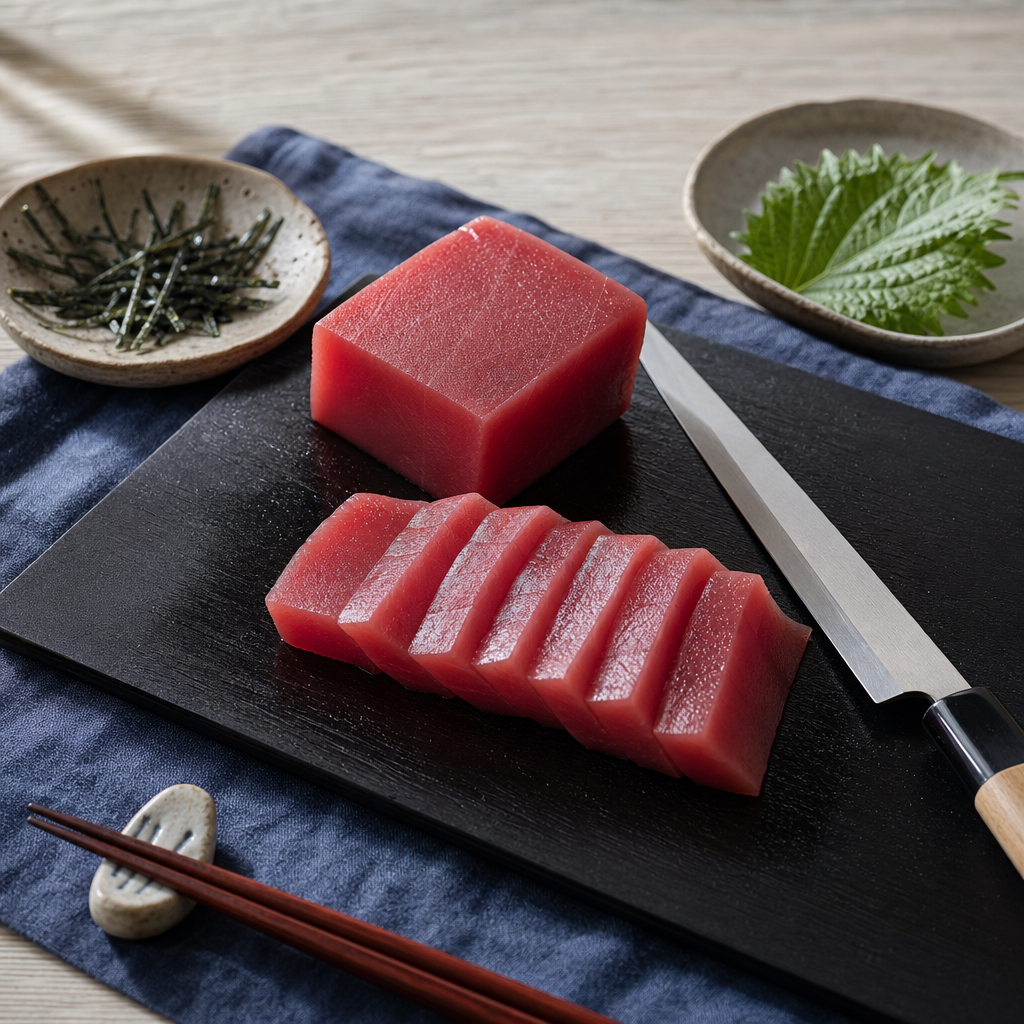
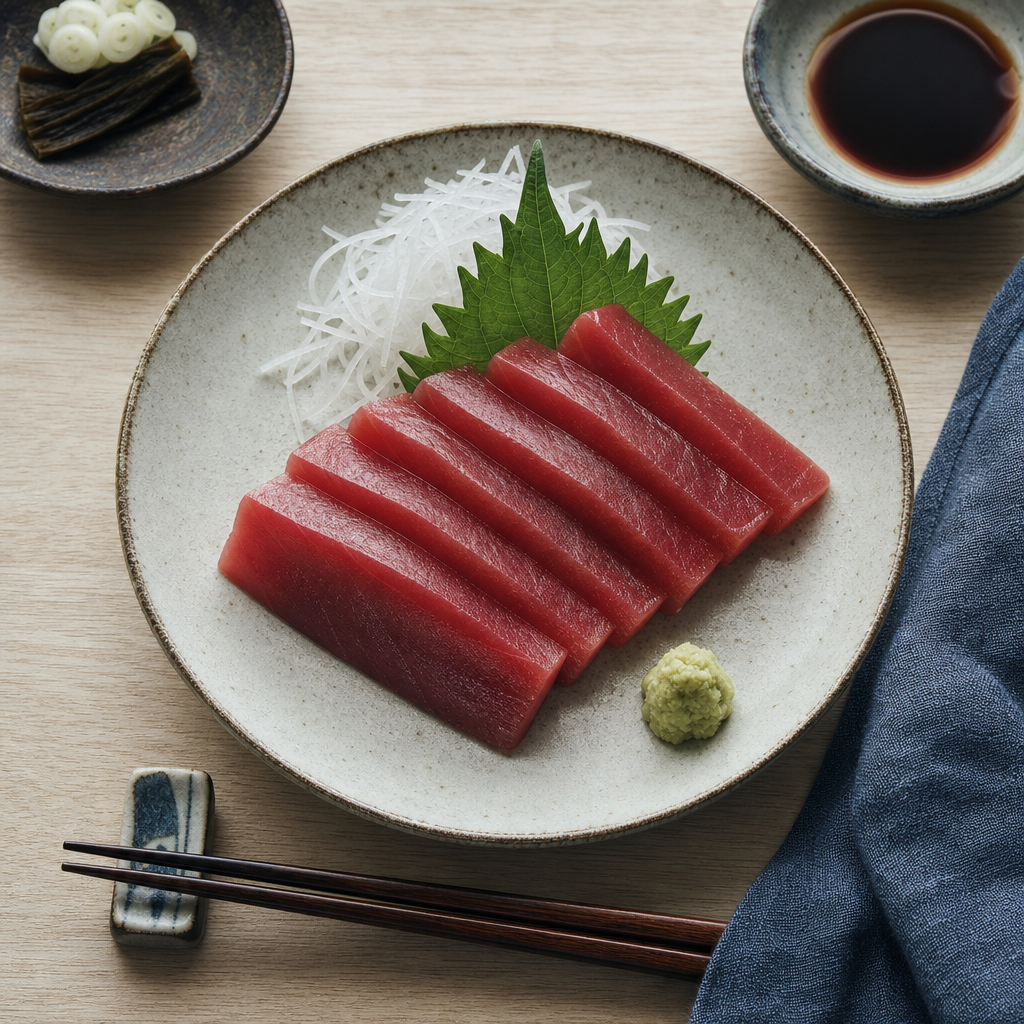
Pat the tuna dry and slice it across the grain into 5-7 mm thick pieces with single long strokes of a sharp knife. Keep the slices cold until assembly.
Build the bowls
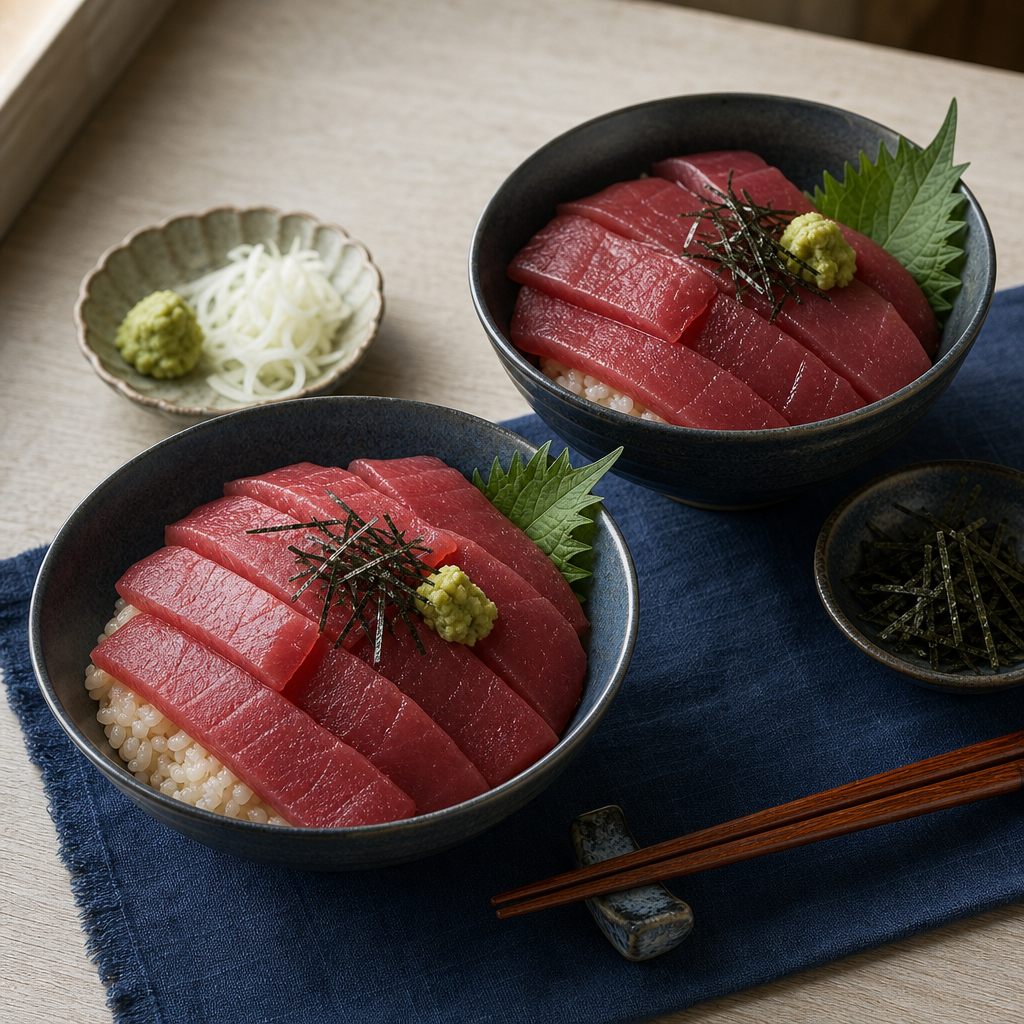
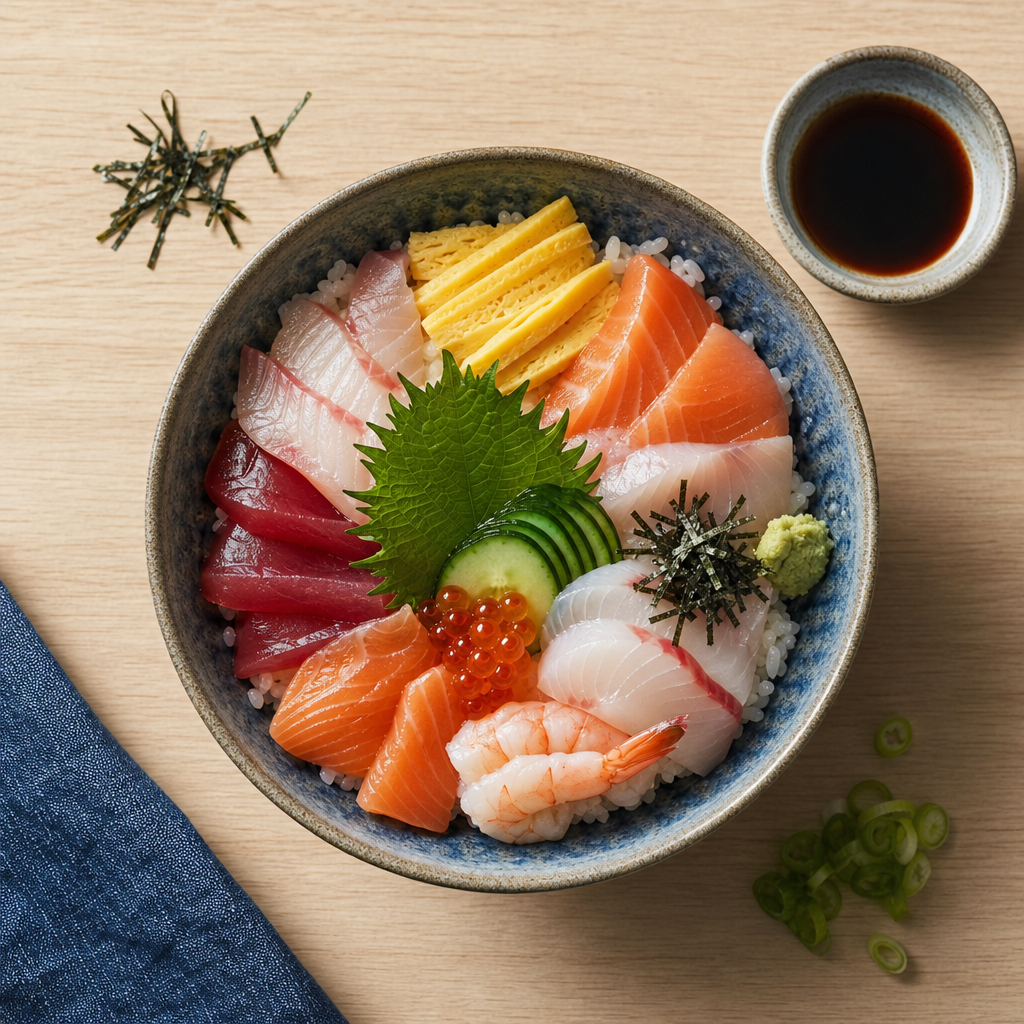
Divide the warm sushi rice between two donburi bowls. Lay the tuna slices over the rice in overlapping rows, then add nori, wasabi, shiso, and sesame if using.
Serve with soy sauce
Serve the soy sauce on the side or spoon a small amount over the tuna immediately before eating. Do not flood the rice.
Common mistakes
- Using plain white rice. Tekkadon is built on sushi rice; plain rice moves the bowl toward magurodon.
- Using long-grain rice. The grains stay separate and dry, and the vinegar has nothing to cling to.
- Buying tuna not intended for raw consumption. Cooking-grade tuna is for cooking; raw service requires fish handled and sold for that purpose.
- Cutting tuna with a dull knife. Ragged slices leak moisture and look bruised.
- Serving the rice hot. Heat tightens the tuna and brings out a metallic smell.
- Pouring soy sauce over the whole bowl early. The rice absorbs it and turns salty before the tuna is properly seasoned.
What does not belong
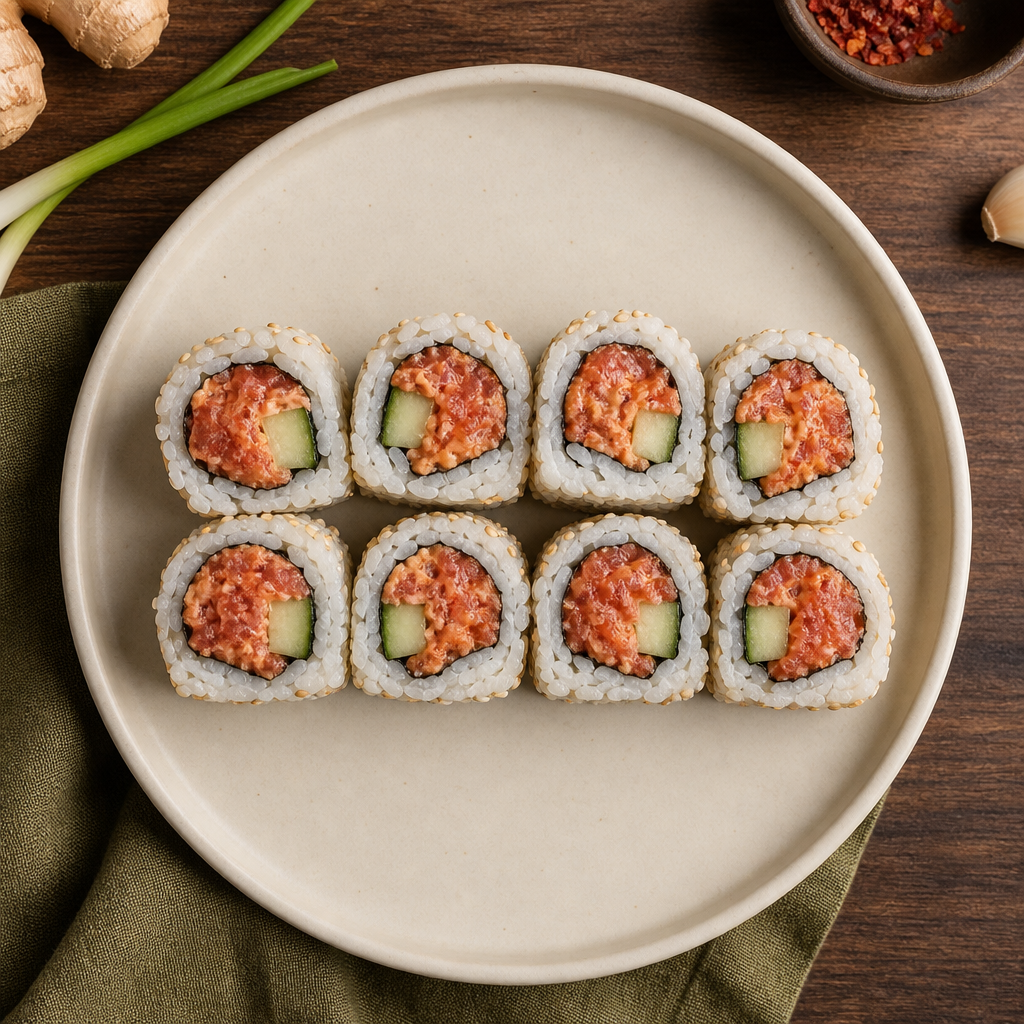
- Spicy mayo does not belong in standard tekkadon; that is a different, modern spicy tuna bowl.
- Avocado does not belong in tekkadon. It makes an international-style sushi bowl, not this dish.
- Teriyaki sauce does not belong. Its sugar and thickness cover the clean tuna-and-vinegar structure.
- Sriracha does not belong. Heat is not the point of tekkadon.
- Long-grain rice does not belong. Use Japanese short-grain rice.
- Minced tuna does not belong in this version. That points toward negitoro-don, not tekkadon.