Babà al Rum
The dish in context
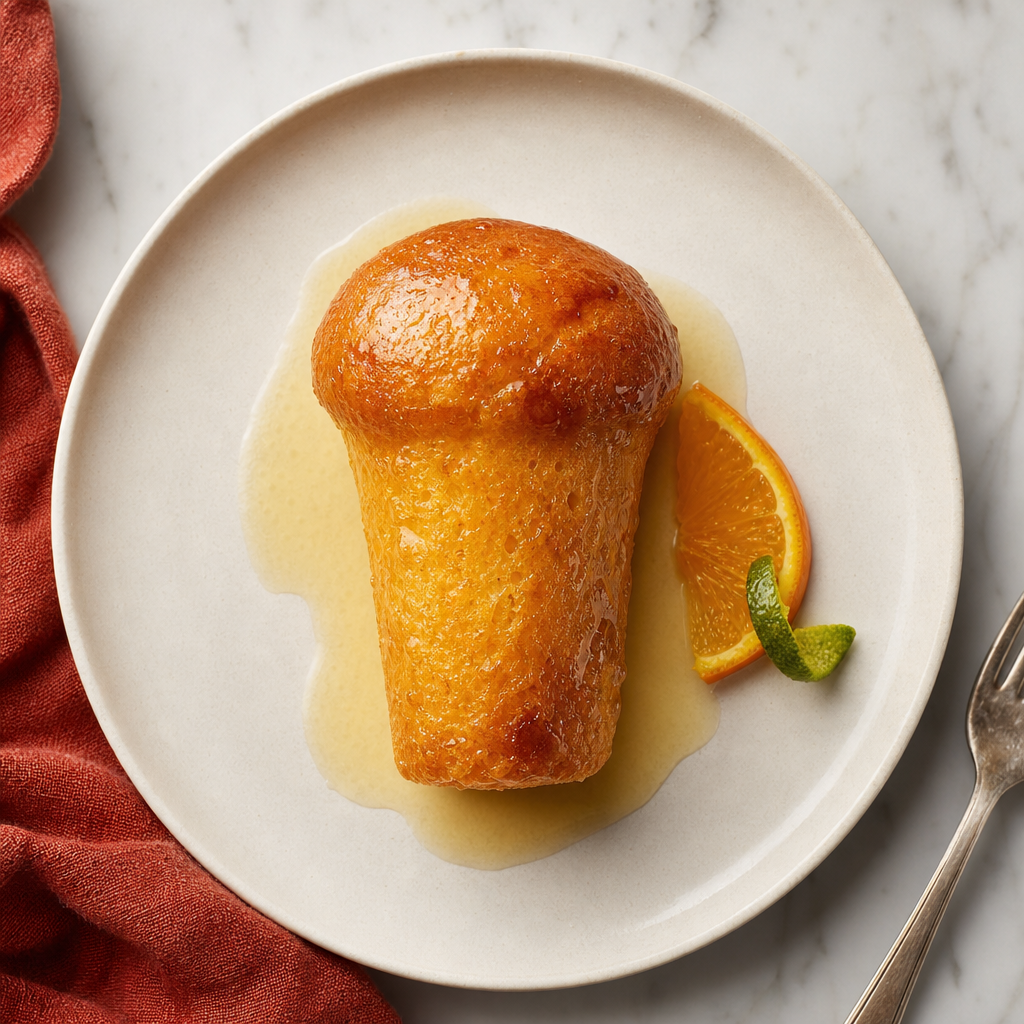
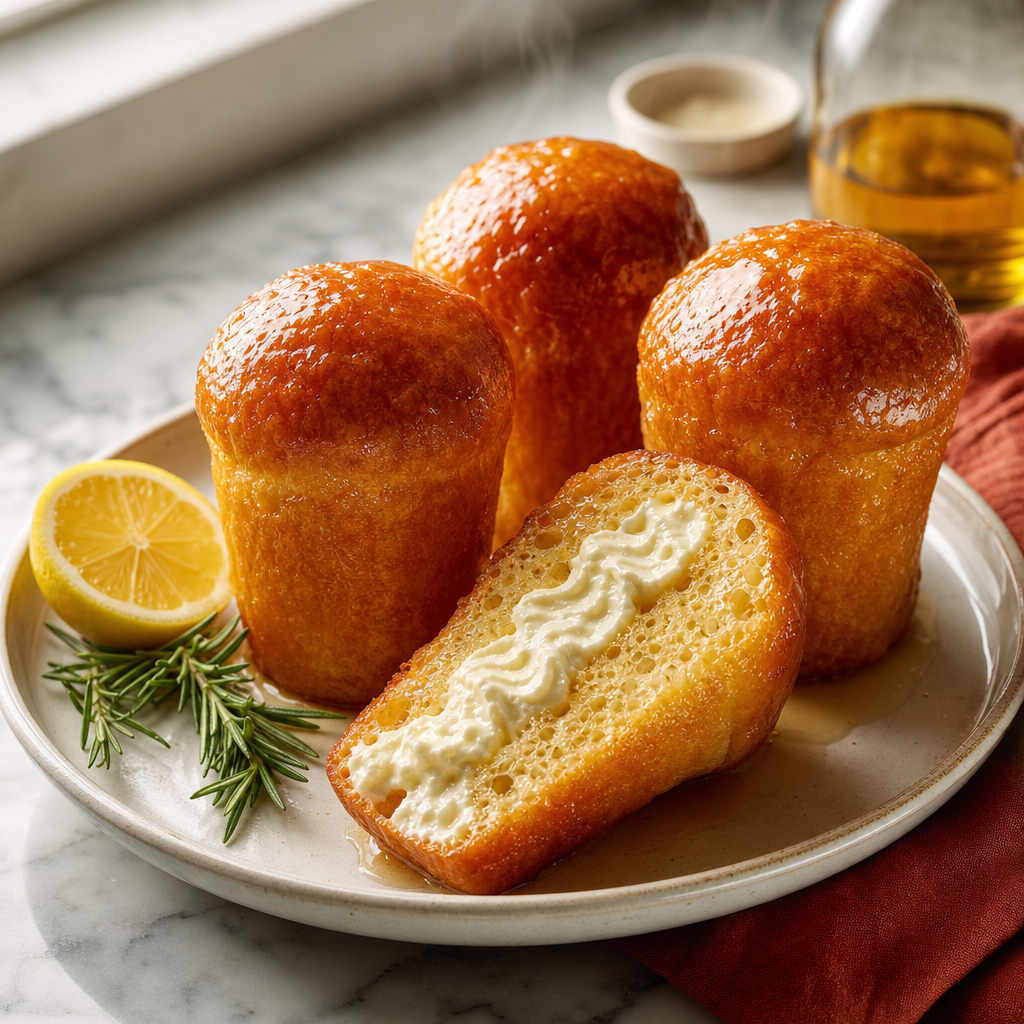
Babà al rum is now one of the defining pastries of Naples, though its route into Campania passed through Central Europe and France before Neapolitan pastry shops made it their own. The French baba au rhum and savarin traditions established the yeasted, syrup-soaked structure; Naples kept the form and pushed the soaking to a more saturated, liquor-forward pastry. In Campania, babà appears in individual mushroom-shaped molds, larger ring forms, and filled versions with cream and fruit. This recipe follows the Neapolitan pastry-shop grammar: elastic enriched dough, full drying after baking, hot citrus syrup, rum added after boiling, and a thin apricot glaze for shine.
Method 13 steps · 330 min
Prepare the molds
Brush 10 baba molds with soft butter and dust lightly with flour, tapping out every loose patch. Chill the molds while mixing the dough.
Start the dough
Combine flour, yeast, sugar, and beaten eggs in the mixer bowl. Mix with the hook on low speed until no dry flour remains, then knead on medium-low until the dough begins to pull into elastic strands, 6-8 minutes.
Add milk and salt
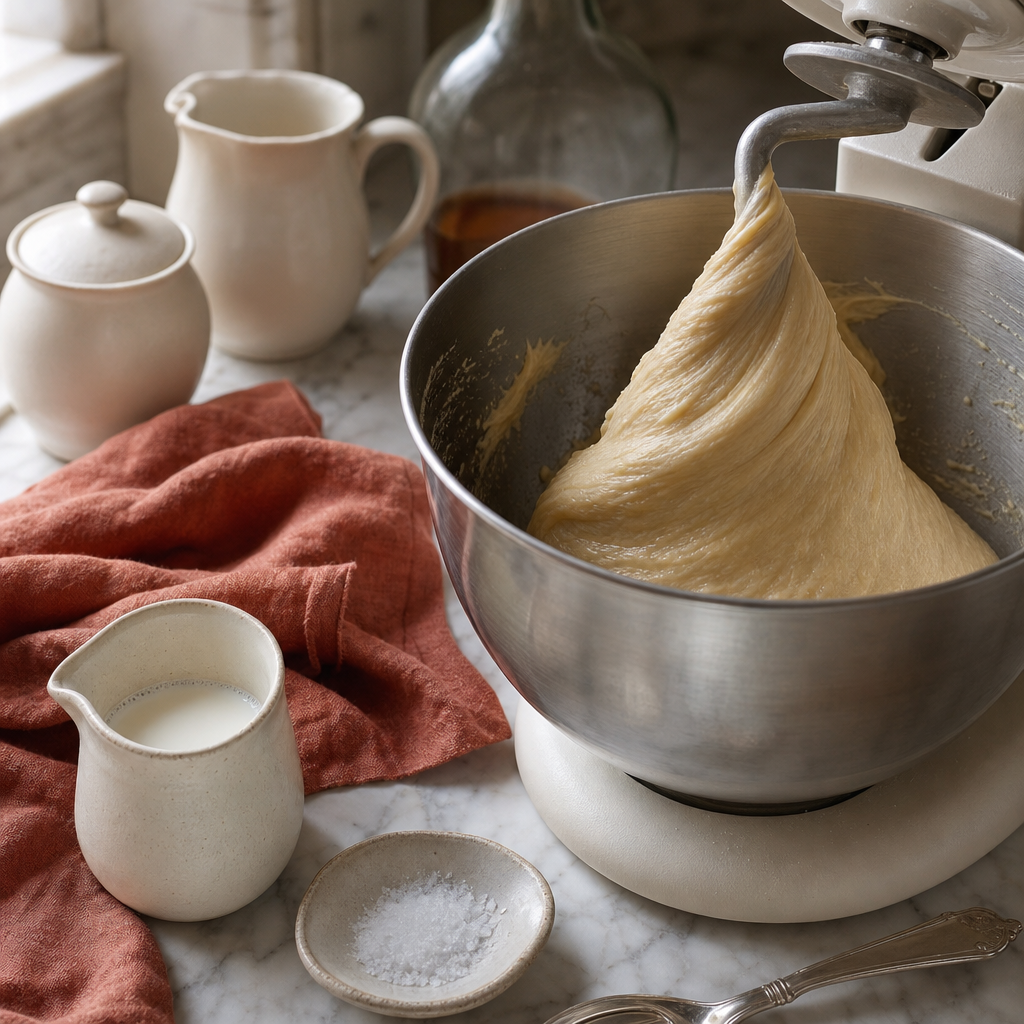
Add the milk in two additions, mixing until absorbed each time. Add the salt and knead until the dough clings to the hook and slaps the bowl in thick ribbons.
Work in the butter
Add the soft butter in 5 or 6 pieces, waiting until each piece disappears before adding the next. Knead until the dough is glossy, highly elastic, and can stretch into a thin translucent sheet without tearing immediately, 10-15 minutes.
First rise
Cover the bowl and ferment at 24-26°C until the dough increases by about 70 percent and looks aerated, 60-90 minutes. Do not wait for a full double if the room is warm.
Portion into molds
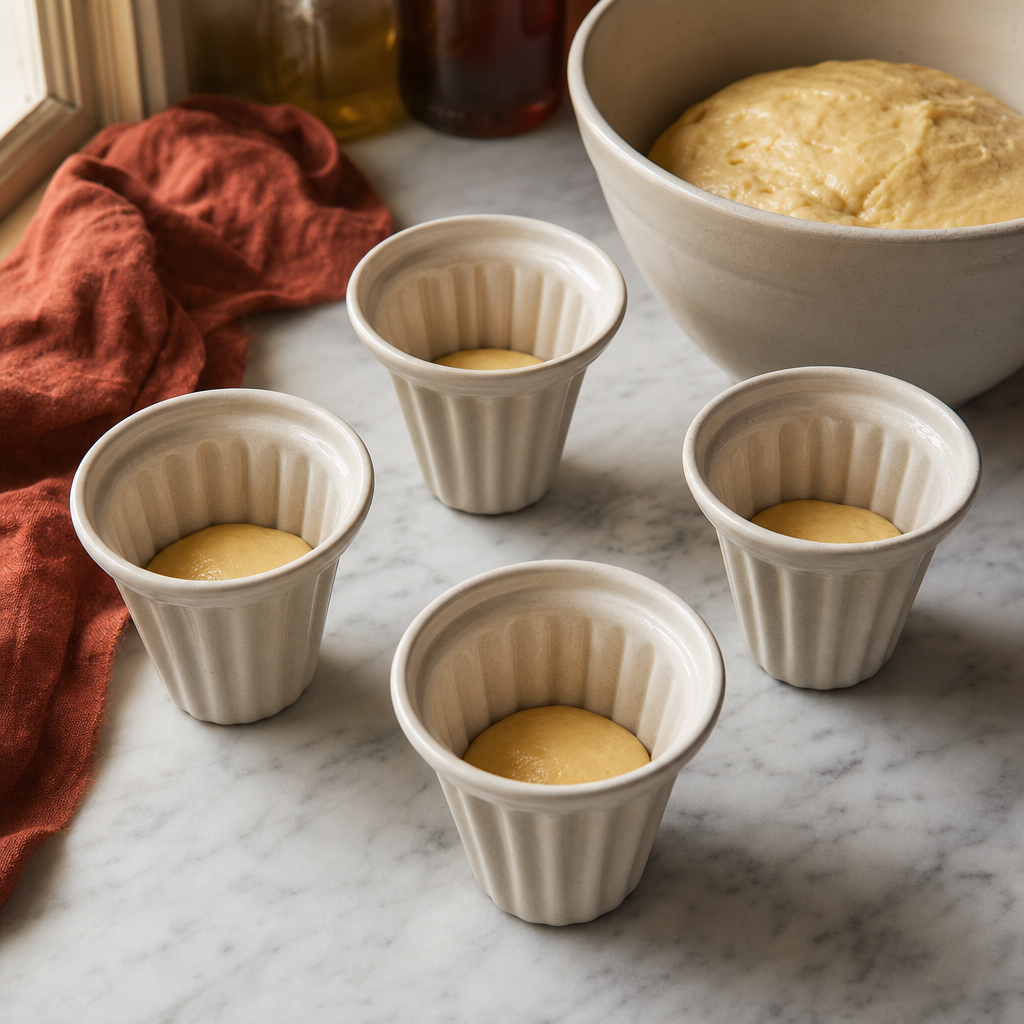
Degas the dough with a wet hand. Portion 55-60 g dough into each mold, filling each about one-third full, then press the dough down so it contacts the base.
Second proof
Proof at 26-28°C until the dough reaches the rim and forms a soft dome above it, 45-75 minutes. Heat the oven to 190°C conventional or 175°C fan during the last 20 minutes.
Bake dry and golden
Bake on a tray until deep golden and set through, 18-22 minutes. The sides should be browned, the tops firm, and the interior temperature about 94-96°C.
Unmold and dry
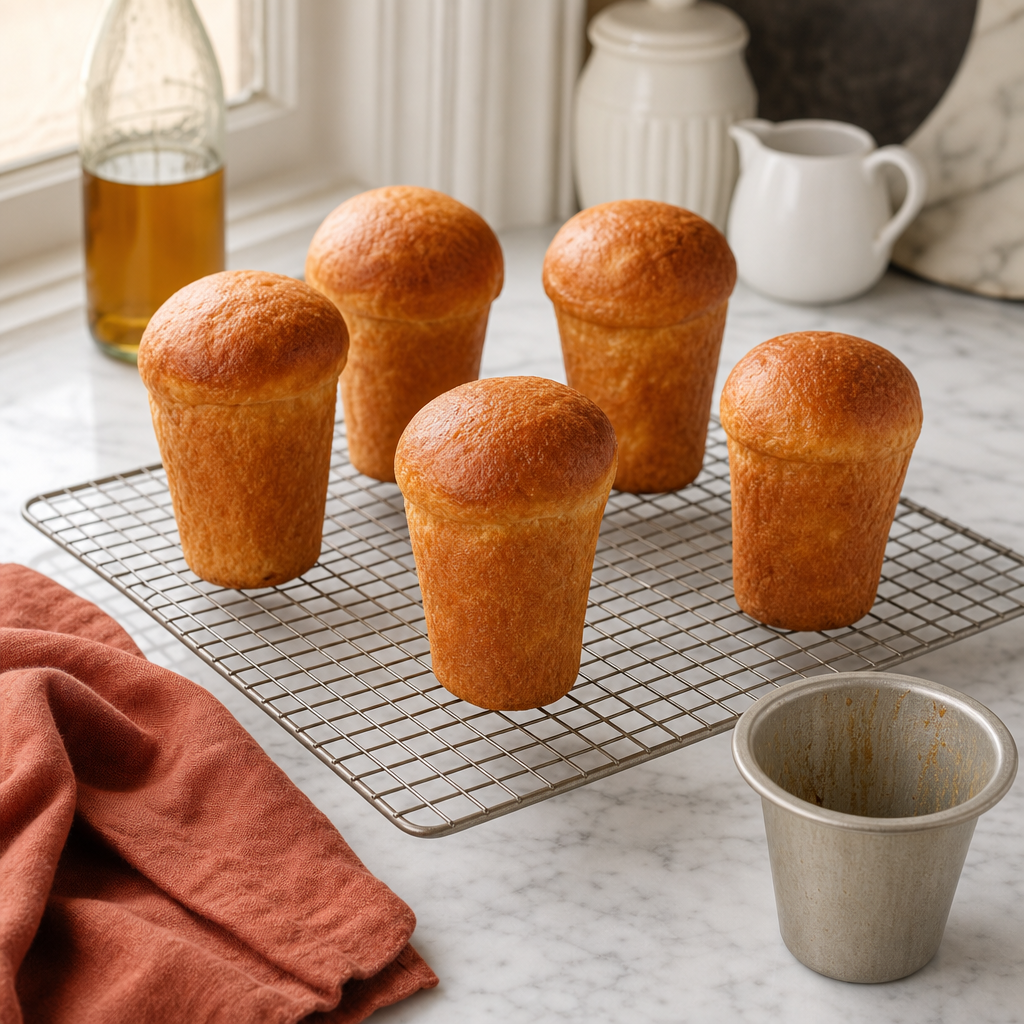
Unmold while warm and cool completely on a rack. Leave the babà uncovered for at least 2 hours, or overnight if the kitchen is not humid.
Make the syrup
Bring water, sugar, lemon zest, and orange zest to a boil, stirring only until the sugar dissolves. Simmer 3 minutes, turn off the heat, and cool to 60-65°C before adding the rum.
Soak the babà
Submerge 2 or 3 babà at a time in the warm syrup, turning them until they feel heavy and spring back when pressed, 45-90 seconds each depending on dryness. Drain on a rack set over a tray, cap side up.
Glaze
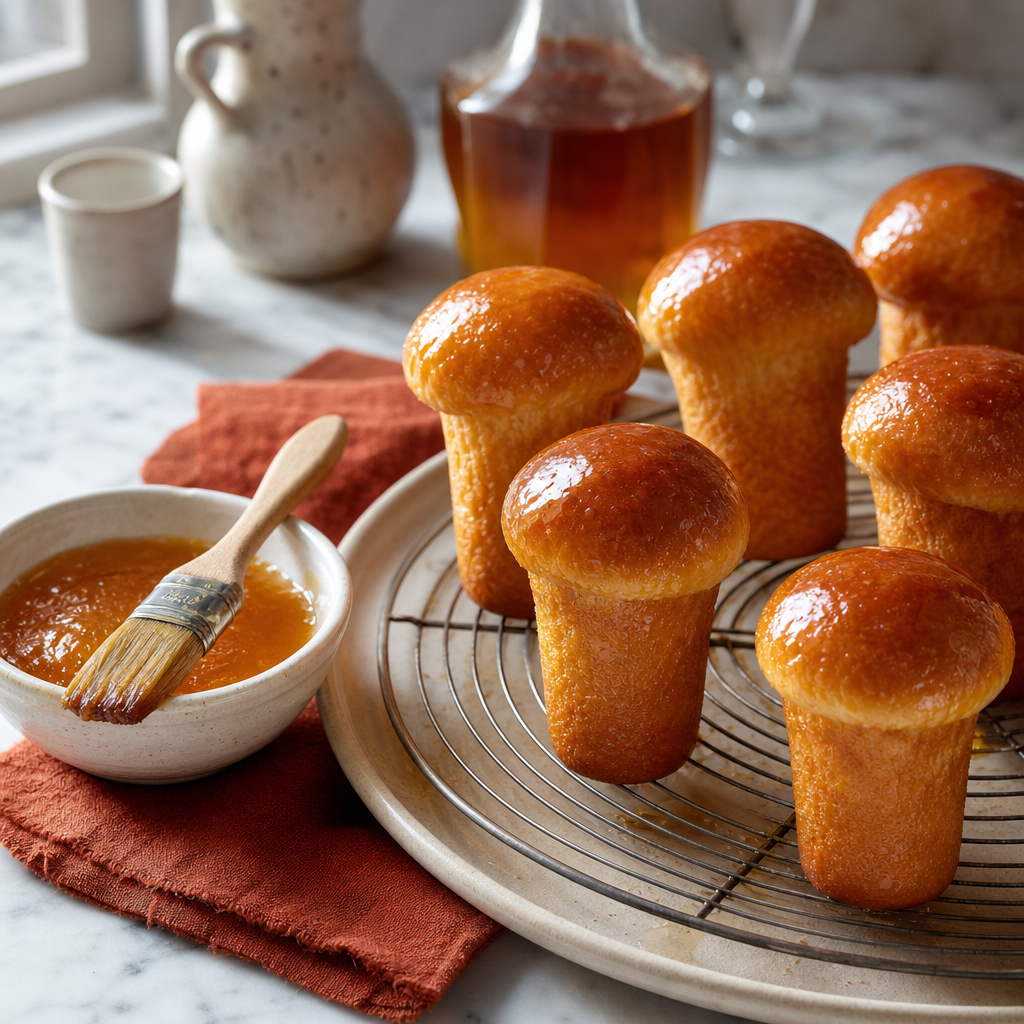
Warm the apricot jam with rum or syrup, then strain it. Brush a thin coat over each drained babà while the glaze is fluid.
Rest and serve
Rest the glazed babà at least 30 minutes before serving so the syrup equalizes through the crumb. For the filled version, split each babà lengthwise without cutting through the base and pipe in whipped cream or pastry cream.
Common mistakes
- {'mistake': 'Using weak flour', 'fix': 'Use strong bread flour. Cake flour and low-protein all-purpose flour cannot build the elastic sponge needed for syrup immersion.'}
- {'mistake': 'Adding butter before gluten develops', 'fix': 'Knead flour and eggs first, then add butter in pieces. Fat early in the mix shortens the dough and produces a cake-like crumb.'}
- {'mistake': 'Underbaking', 'fix': 'Bake to a firm, deep-golden shell and 94-96°C internal temperature. Pale babà absorb syrup unevenly and taste like wet bread.'}
- {'mistake': 'Soaking fresh from the oven', 'fix': 'Cool and dry the cakes first. Slight staling is functional here, not a defect.'}
- {'mistake': 'Boiling the rum in the syrup', 'fix': 'Boil the sugar syrup first, cool it to about 60-65°C, then add rum. The aroma should rise from the syrup, not disappear into steam.'}
- {'mistake': 'A cautious soak', 'fix': 'Submerge the cakes until they are heavy and springy. A lightly brushed babà is not babà al rum.'}
What does not belong
- Baking powder does not belong. Babà is a yeasted pastry; chemical lift gives the wrong crumb and no elasticity.
- Cake flour does not belong. Tenderness is not the goal; controlled chew and absorption are the goal.
- Rum flavoring does not replace rum in the standard version. It belongs only in an alcohol-free adaptation.
- Heavy spices in the dough do not belong. Cinnamon, nutmeg, and vanilla-heavy cake profiles move the pastry away from the Neapolitan form.
- A thick layer of jam does not belong. Apricot glaze should be strained and thin, used for shine and sealing.