Ribollita
The dish in context
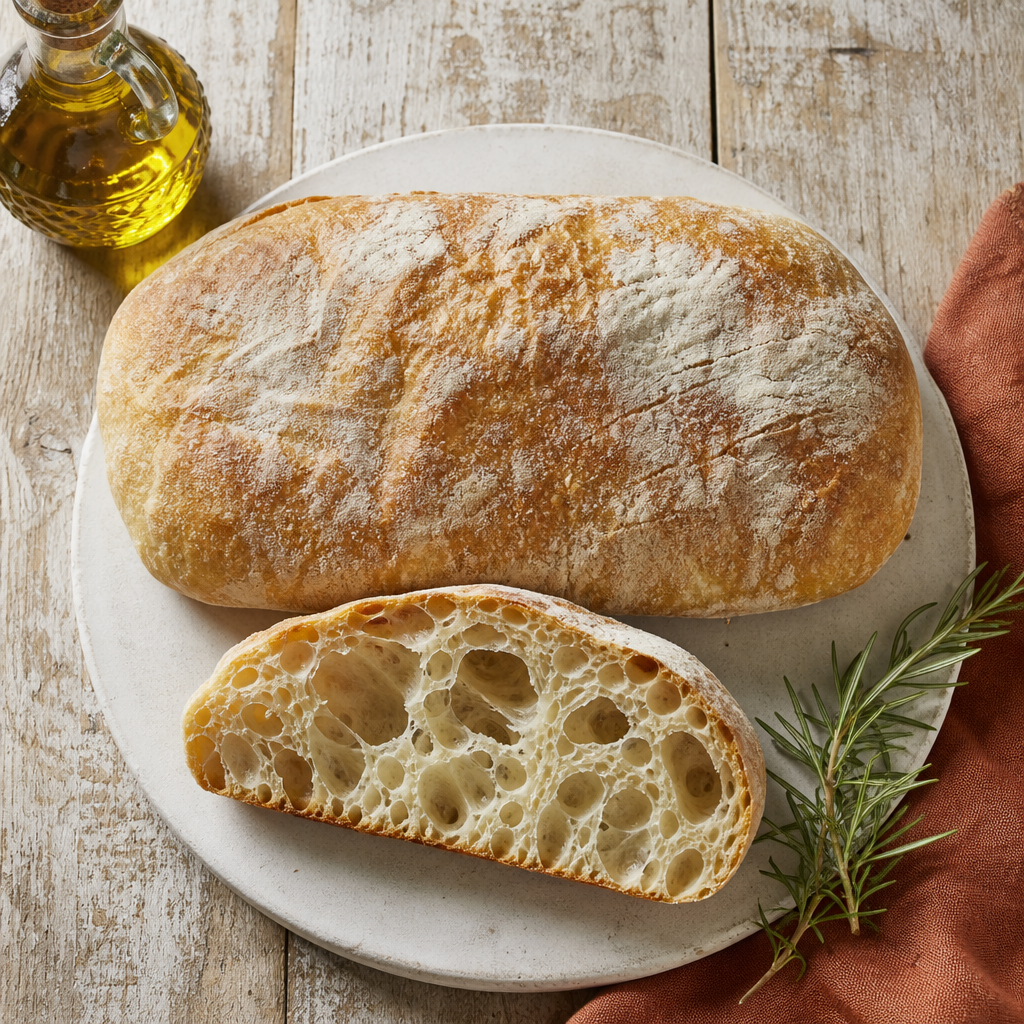
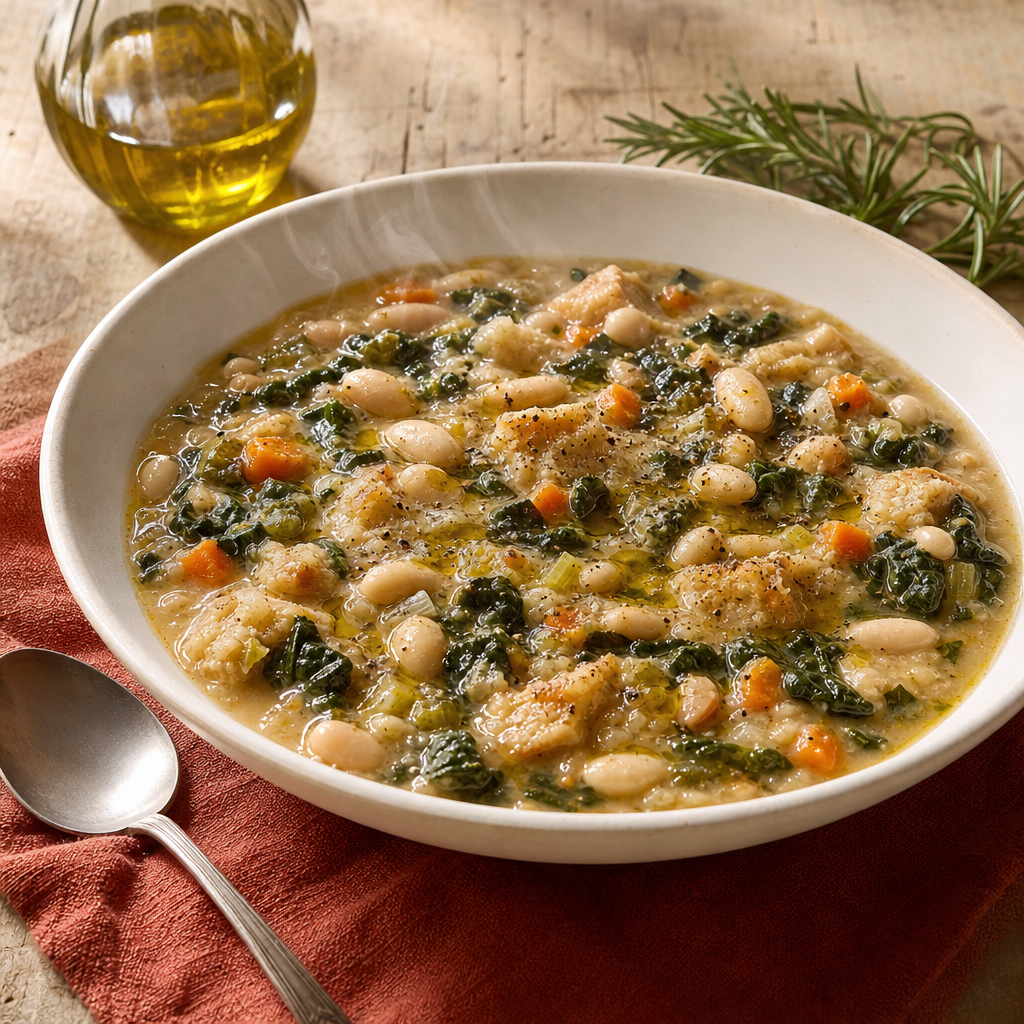
Ribollita means "reboiled," but the dish is better understood as the second life of Tuscan minestra di pane: vegetable soup stretched with stale bread and reheated until it thickens. The core grammar is Tuscan and rural — cannellini beans, cavolo nero, cabbage or chard, soffritto, stale unsalted country bread, and serious olive oil. Some versions include potato, leek, or a Parmesan rind; the identity does not depend on those details. What does not change is the bread: fresh sandwich bread turns the pot gluey, while stale country bread swells into separate, soft layers.
Method 8 steps · 95 min
Build the soffritto slowly
Heat 60 ml of the olive oil in a heavy pot over medium-low heat. Add onion, carrot, celery, leek if using, and 6 g salt; cook 18-22 minutes, stirring often, until the vegetables are soft, glossy, and sweet-smelling with no hard edges. Add garlic and cook 1 minute more.
Cook down the tomato
Add the crushed tomatoes and cook 8-10 minutes, stirring until the raw tomato smell fades and the oil begins to tint orange at the edges. Keep the heat moderate; scorching tomato brings bitterness that the bread will amplify.
Mash part of the beans
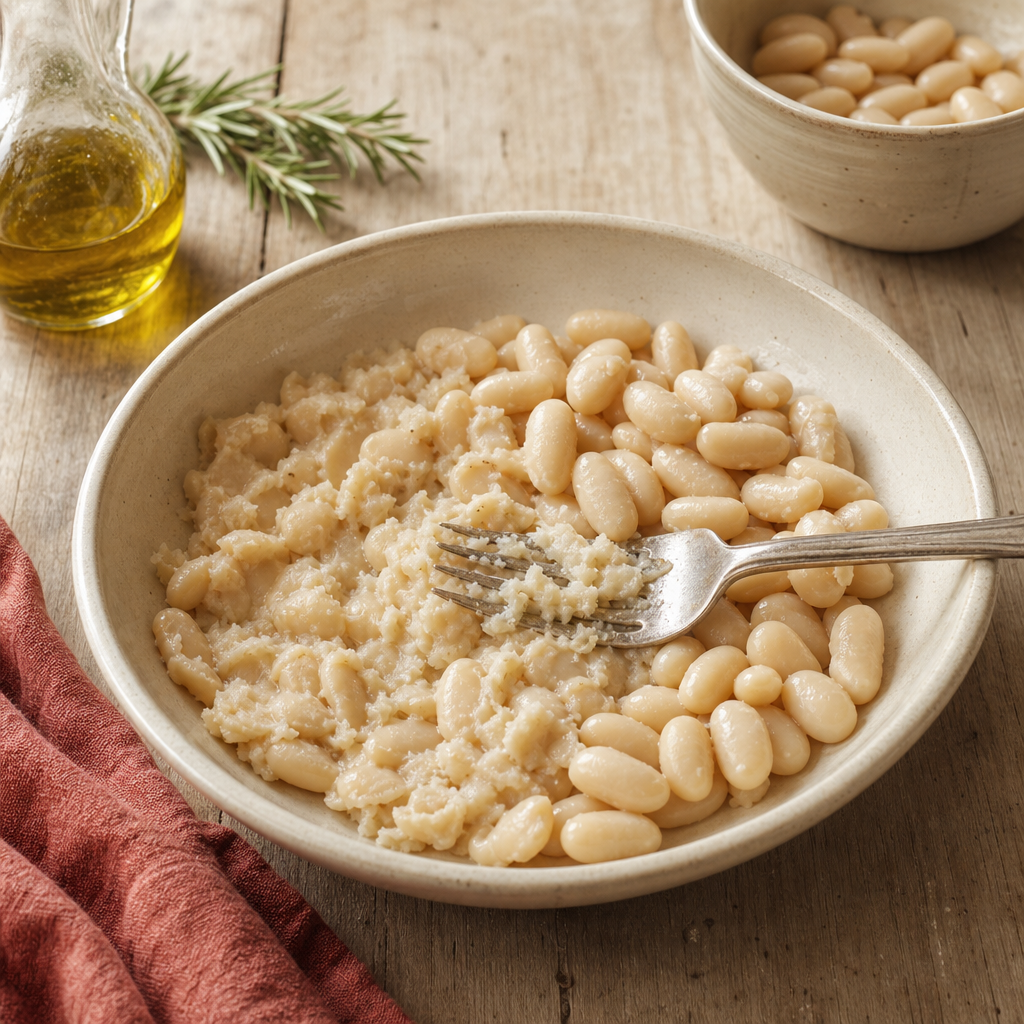
Mash about one-third of the cannellini beans with a ladle or fork until rough and creamy. Leave the rest whole.
Simmer the beans and hard vegetables
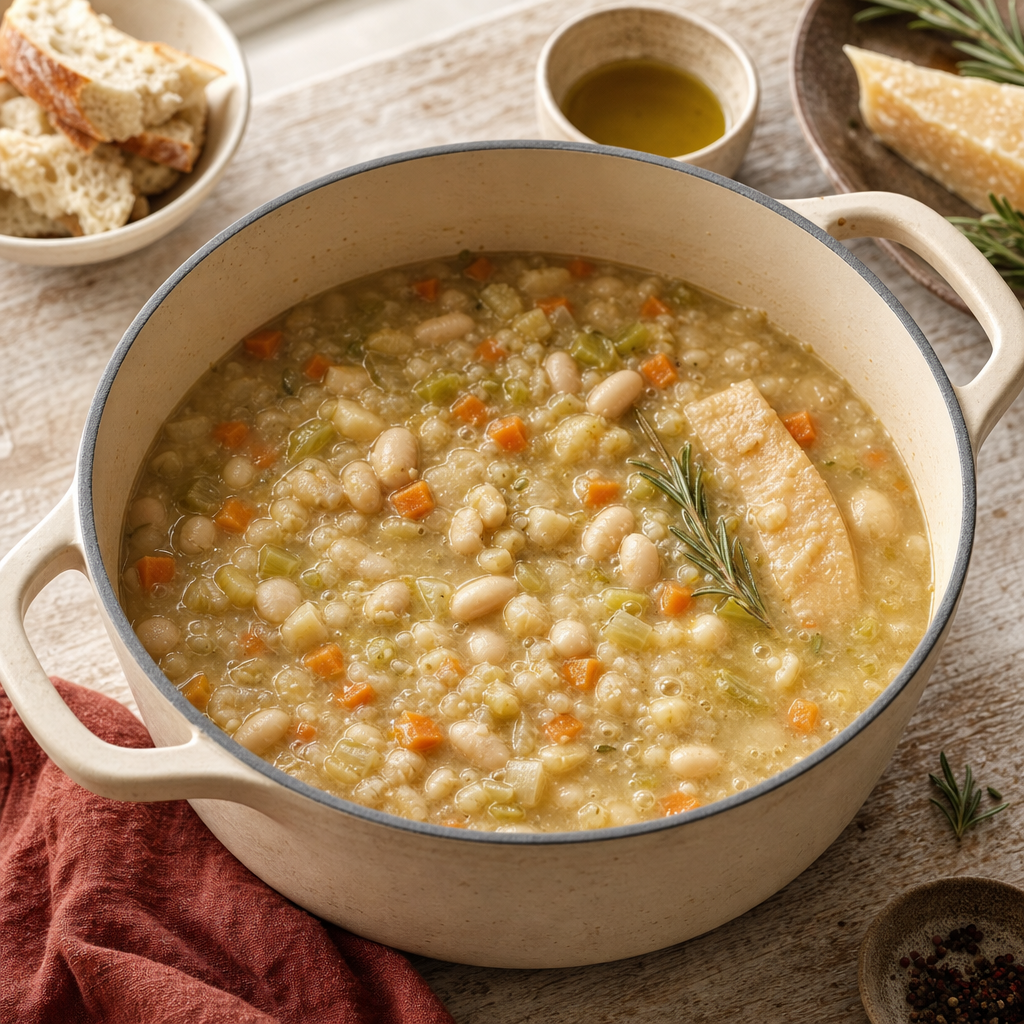
Add the mashed beans, whole beans, bean cooking liquid or stock, potato if using, rosemary, Parmesan rind if using, and another 4 g salt. Bring to a steady simmer, then cook uncovered for 20 minutes, until the potato is tender and the broth looks lightly cloudy from bean starch.
Add the greens in layers
Add the cavolo nero and savoy cabbage first and simmer 12 minutes. Add the chard and cook 5-8 minutes more, until all greens are tender but still visibly green-black, not olive mush.
Fold in the stale bread
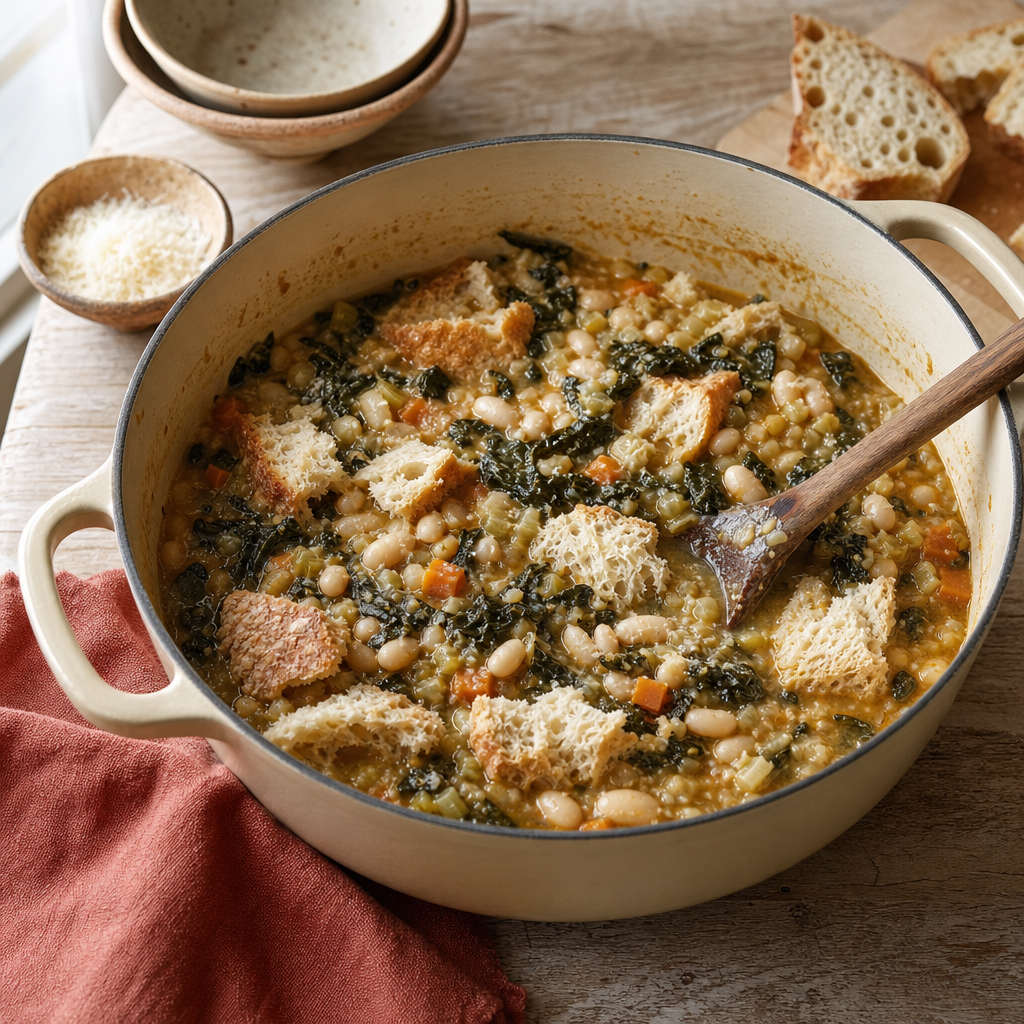
Remove the rosemary stem and Parmesan rind. Fold in the torn stale bread and simmer 5 minutes, pressing some pieces under the surface while leaving others intact. The soup should thicken to a spoon-coating texture with visible bread pieces; add a splash of water only if the pot becomes stiff before the bread hydrates.
Rest, then reboil
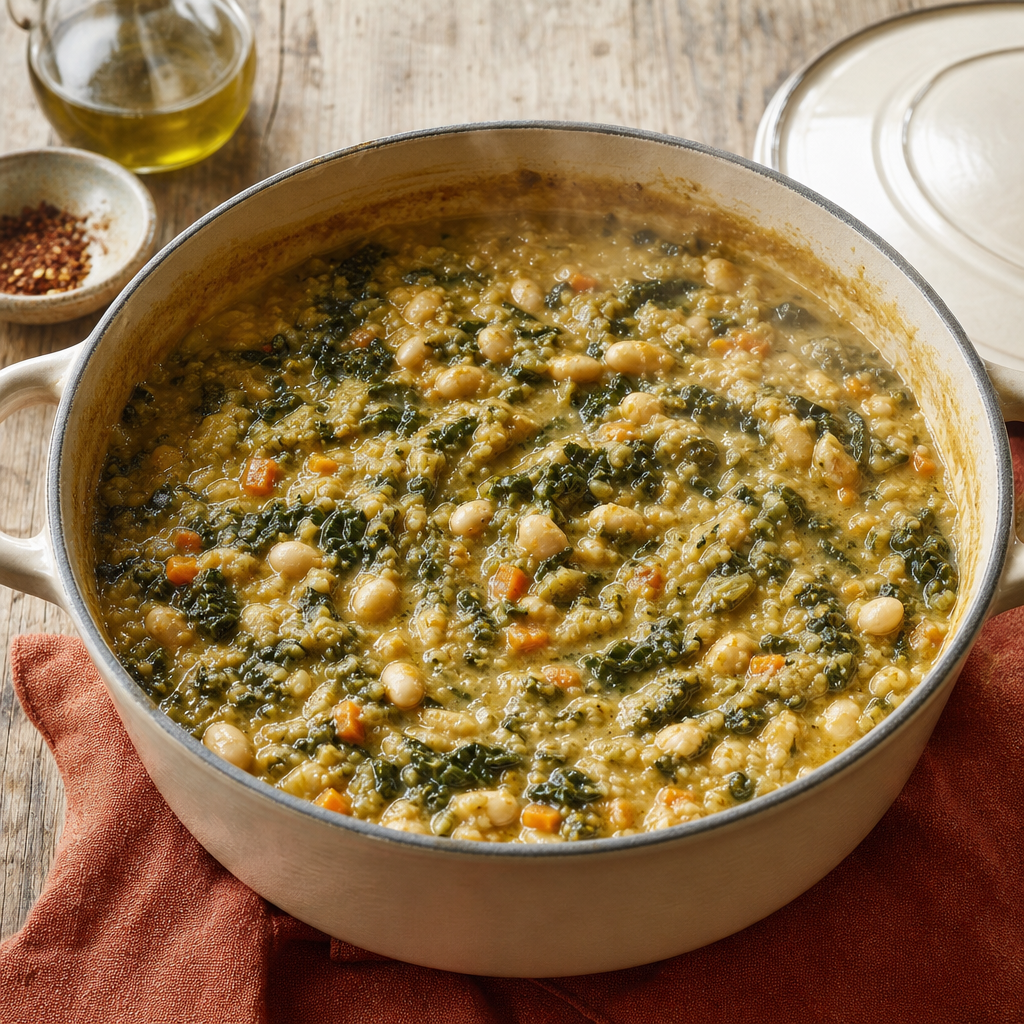
Cover the pot off heat for at least 20 minutes, or chill overnight for the fuller ribollita texture. Reheat over low heat, stirring from the bottom with a wooden spoon until the soup bubbles heavily and thickens again, 8-12 minutes. Add water in small amounts if needed; the final texture should slump, not pour like broth.
Finish with raw olive oil
Taste for salt and black pepper. Ladle into bowls and finish each serving with a visible thread of extra-virgin olive oil and more black pepper.
Common mistakes
- {'mistake': 'Using fresh soft bread', 'fix': 'Use stale crusty bread or dry the pieces in a low oven until firm. Fresh bread dissolves into paste before it can swell.'}
- {'mistake': 'Treating ribollita like minestrone', 'fix': 'Do not stop at a brothy vegetable soup. Mash some beans and let the bread thicken the pot until it sits heavily on the spoon.'}
- {'mistake': 'Browning the soffritto hard', 'fix': 'Cook it slowly until soft and glossy, not dark. Deep browning pulls the soup toward ragù flavors and away from Tuscan vegetable soup.'}
- {'mistake': 'Adding too much tomato', 'fix': 'Keep tomato in the background. A red, acidic pot is tomato soup with beans, not ribollita.'}
- {'mistake': 'Skipping the rest', 'fix': 'Serve it same day if needed, but give it at least 20 minutes after the bread goes in. Overnight rest gives the texture associated with the name.'}
What does not belong
- {'item': 'cream', 'reason': 'Cream does not belong in ribollita. The body comes from beans, stale bread, and olive oil.'}
- {'item': 'meat stock', 'reason': 'Meat stock pushes the soup away from its vegetable-and-bread structure. Use bean cooking liquid, water, or restrained vegetable stock.'}
- {'item': 'pasta', 'reason': 'Pasta turns this into a minestrone variant. Ribollita is thickened with bread.'}
- {'item': 'soft sandwich bread', 'reason': 'Soft sliced bread collapses into glue. Ribollita needs stale country bread with a real crust.'}
- {'item': 'chili flakes as a main seasoning', 'reason': "Heat is not part of the dish's core profile. Black pepper and olive oil provide the edge."}
- {'item': 'heavy grated cheese blanket', 'reason': 'A Parmesan rind in the pot is acceptable; a mound of grated cheese on top makes the bowl taste like cheese before beans and greens.'}