Gelato Stracciatella
The dish in context
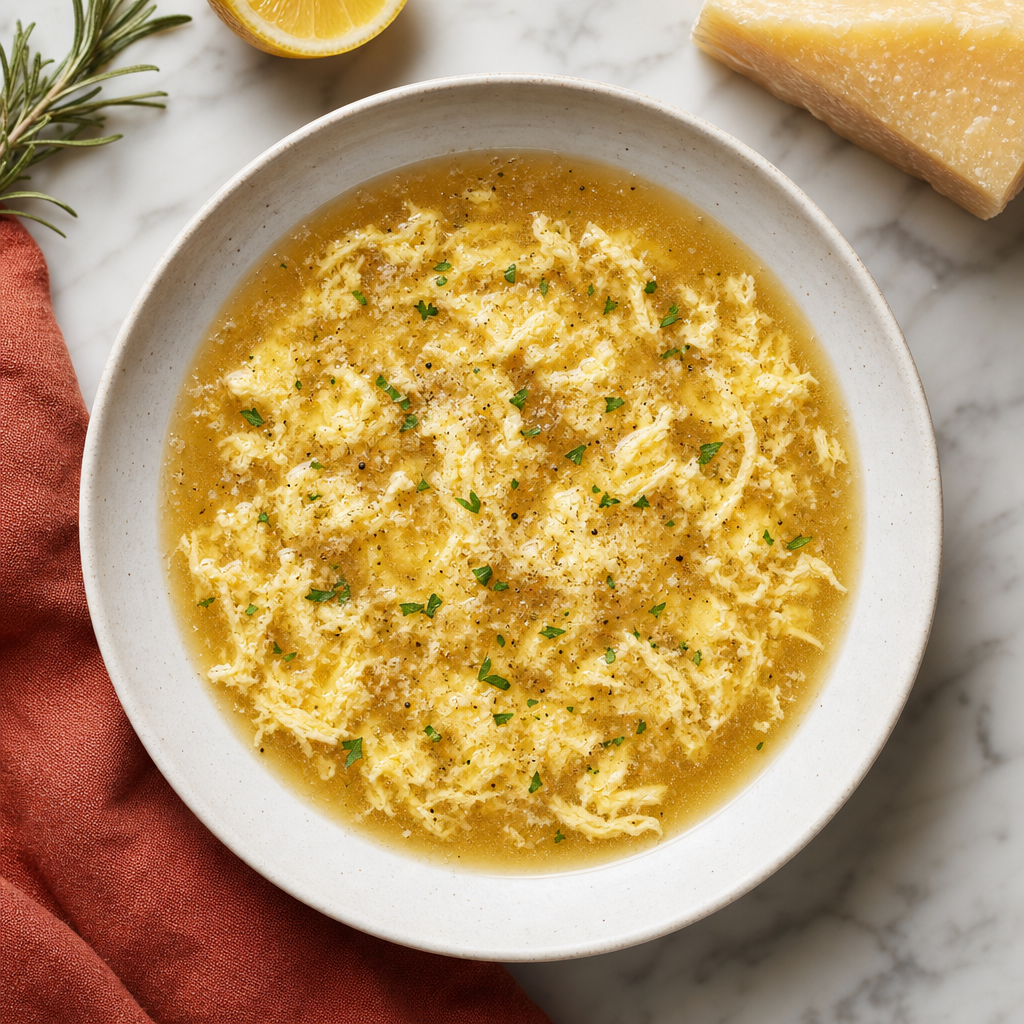
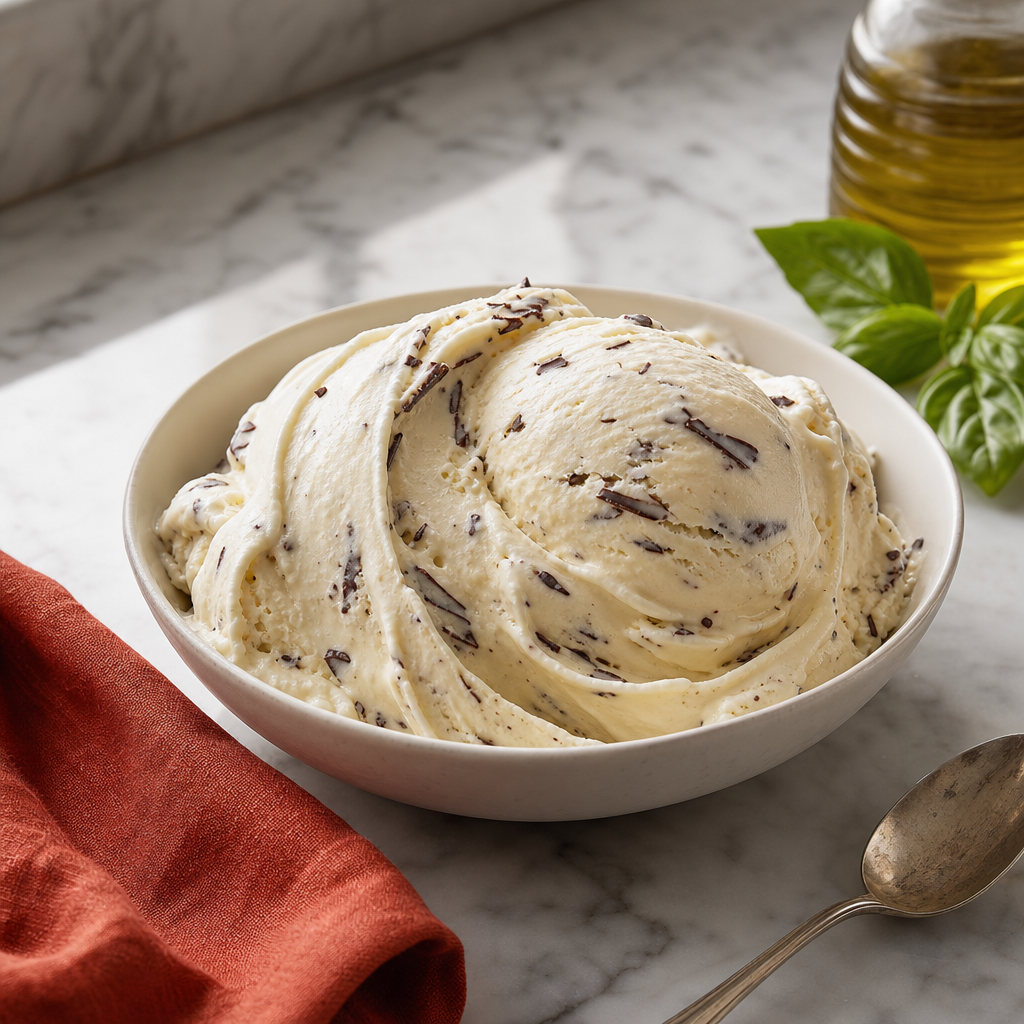
Stracciatella gelato was created in Bergamo, Lombardy, in 1961 by Enrico Panattoni at Ristorante La Marianna. The name comes from stracciatella soup, where beaten egg forms little shreds in hot broth; here, melted chocolate hits cold gelato and shatters into fine fragments. The traditional structure is fior di latte gelato with chocolate added at the end of churning, not a vanilla custard with chocolate chips. Modern versions vary in chocolate percentage and dairy balance, but the defining technique is the melted-chocolate drizzle.
Method 7 steps · 360 min
Mix the dry ingredients
Whisk the sugar, dextrose, skim milk powder, stabilizer, and salt in a bowl until no lumps remain. Break up any pockets of milk powder with fingertips before the dairy goes in.
Heat the dairy base
Combine the milk and cream in a saucepan and warm to 40°C. Whisk in the dry mixture in a steady rain, then heat to 82°C, stirring the bottom and corners of the pan.
Chill and mature
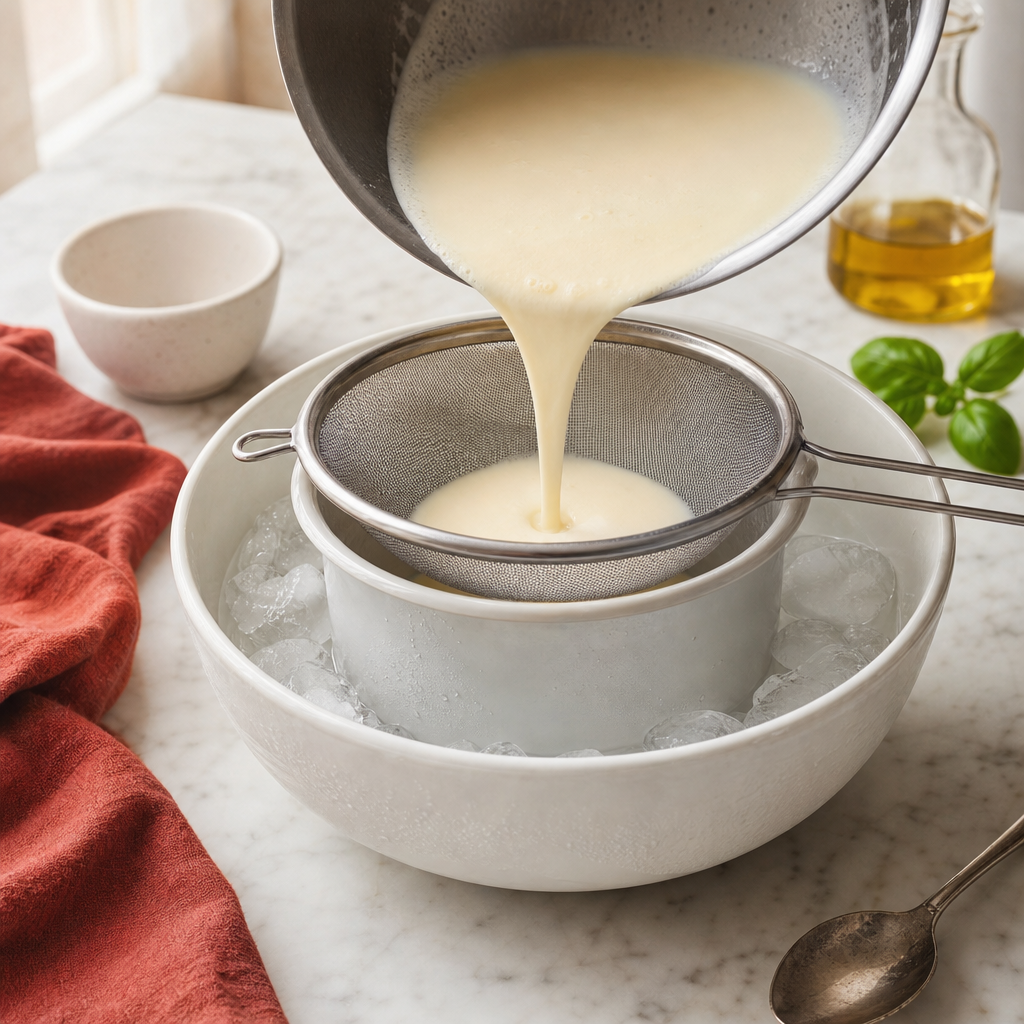
Strain the base into a clean container. Chill over an ice bath until below 10°C, then cover and refrigerate at least 4 hours, preferably overnight.
Melt the chocolate
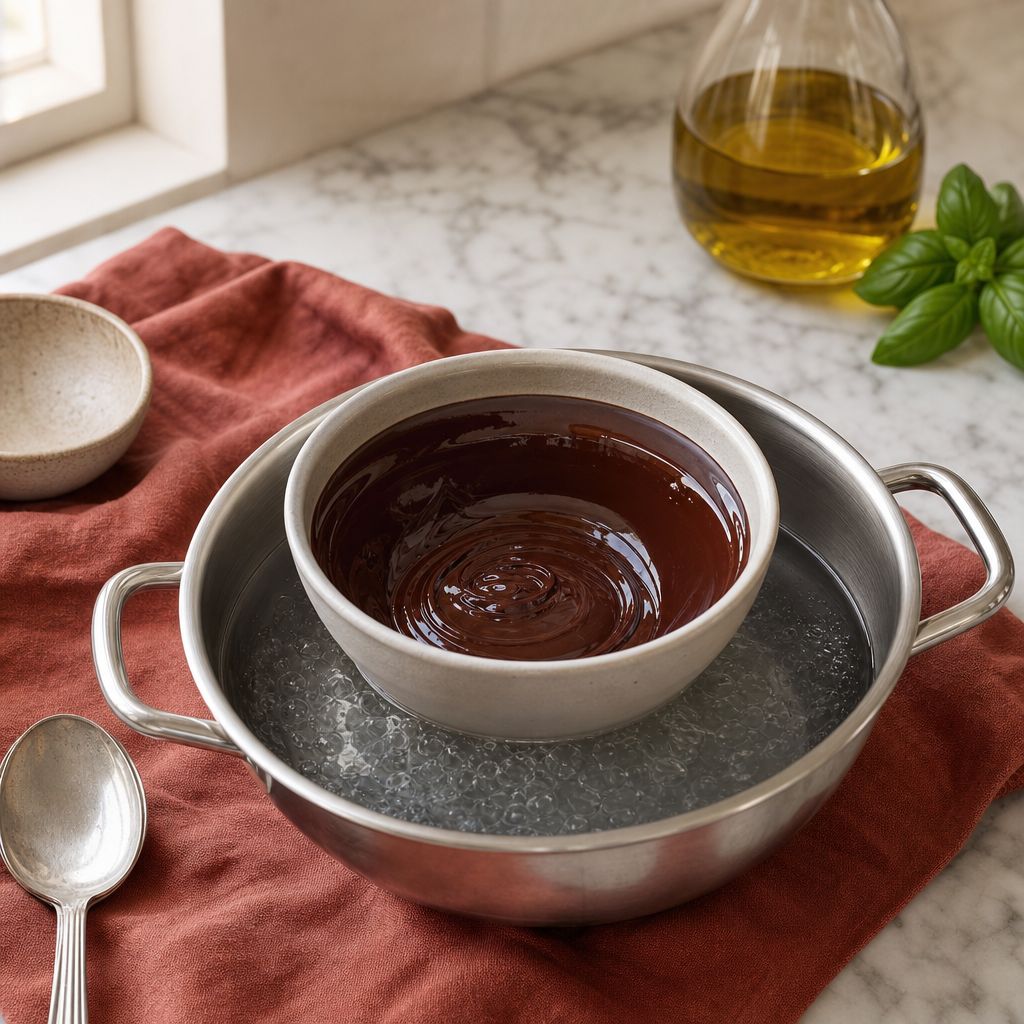
Melt the dark chocolate with the coconut oil or cocoa butter over a water bath or in short microwave bursts. Hold it fluid but not hot, about 35-40°C.
Churn the gelato
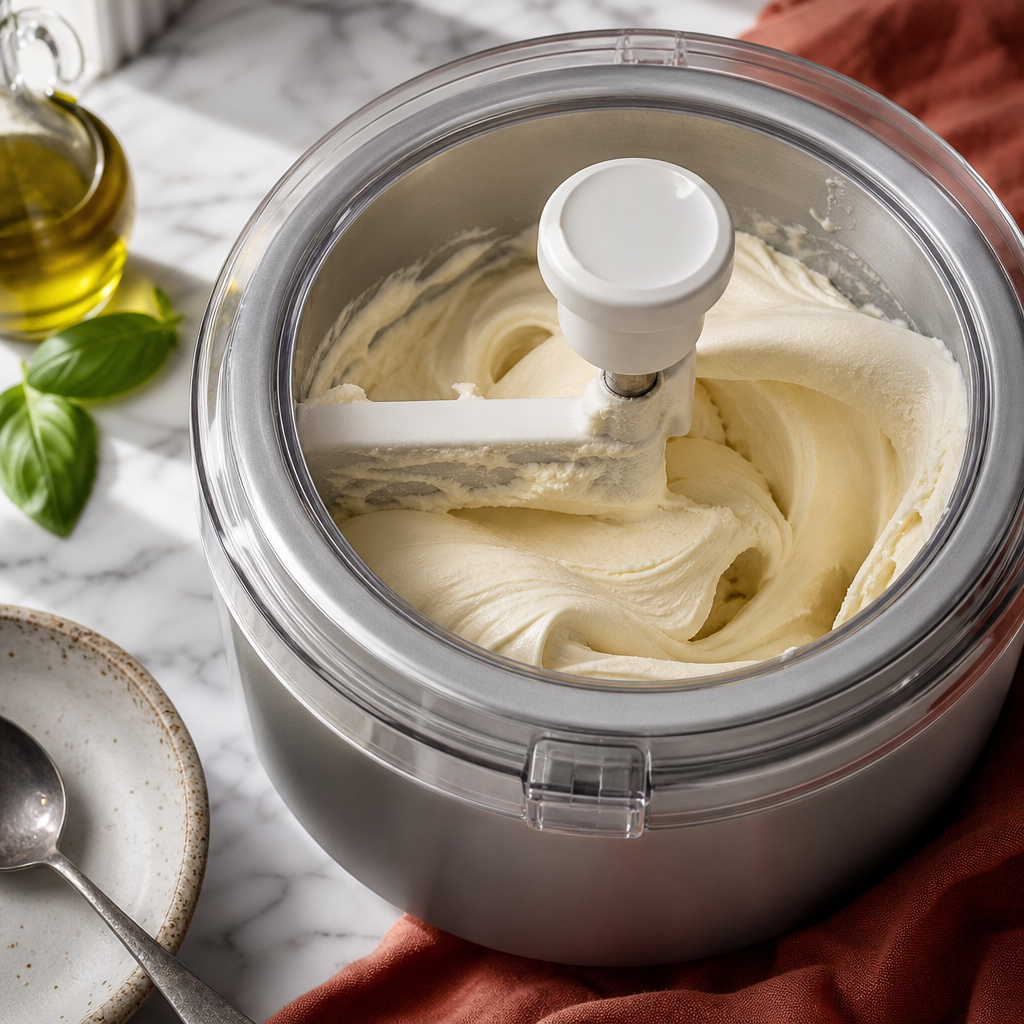
Churn the cold base according to the machine instructions until it holds soft folds and pulls away from the dasher. Stop before it becomes stiff enough to climb the blade.
Stracciatella the chocolate
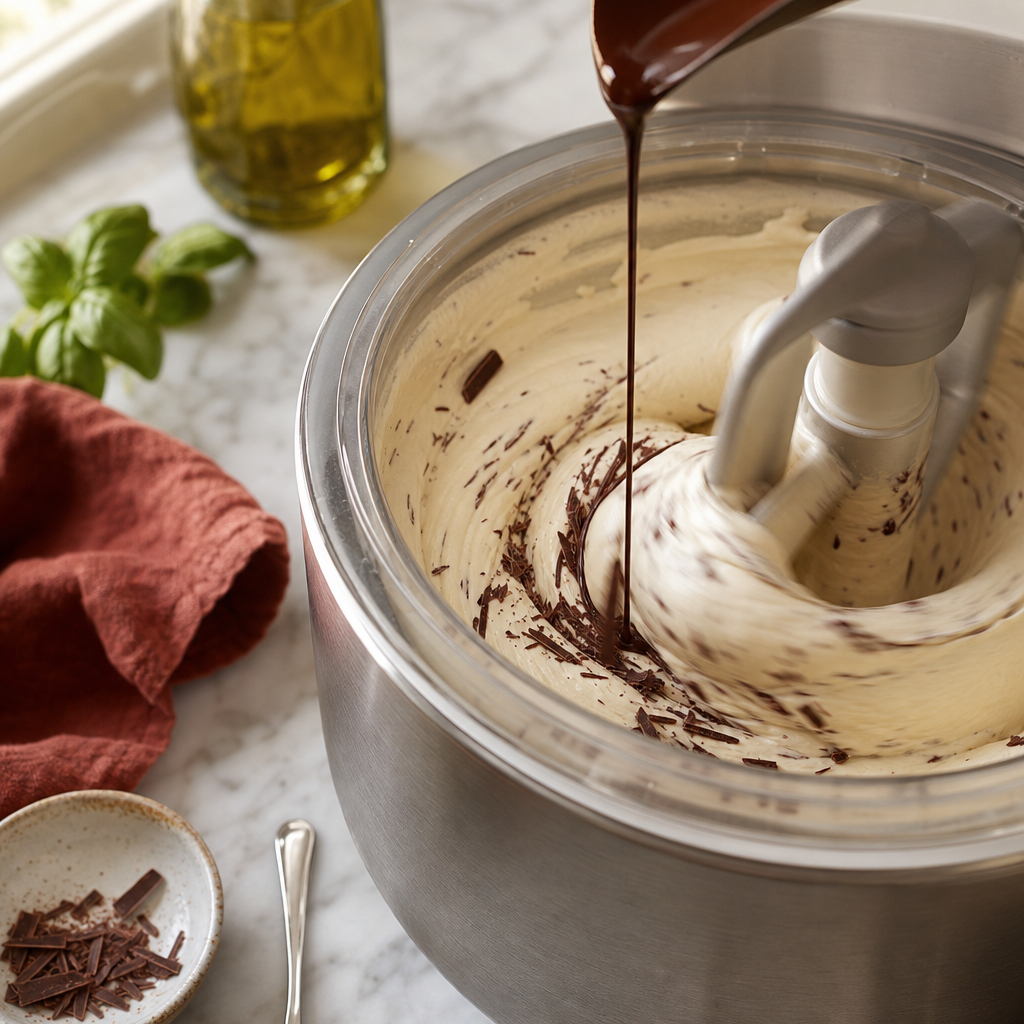
With the machine running, drizzle the melted chocolate in a thin stream during the final 30-45 seconds of churning. Let the dasher shatter it; do not dump the chocolate in one spot.
Harden briefly
Transfer the gelato to a chilled container, press parchment directly on the surface, cover, and freeze 1-2 hours for scoopable firmness. For longer storage, temper 10-15 minutes in the refrigerator before serving.
Common mistakes
- {'mistake': 'Using chocolate chips.', 'fix': 'Melt bar chocolate and drizzle it into the moving gelato. Chips stay as hard pellets and miss the stracciatella texture.'}
- {'mistake': 'Adding the chocolate too early.', 'fix': 'Add it in the last 30-45 seconds. Earlier addition grinds the shards too fine and can muddy the white base.'}
- {'mistake': 'Boiling the milk base.', 'fix': 'Stop at 82°C and stir the pan bottom. Boiled dairy tastes cooked and leaves a skin that must be strained out.'}
- {'mistake': 'Overloading the ice-cream machine.', 'fix': 'Fill only to the manufacturer line. A crowded canister churns slowly, warms the base, and gives coarse ice crystals.'}
- {'mistake': 'Expecting American ice-cream volume.', 'fix': 'Gelato should be denser and lower in air. A fluffy, tall scoop means the base has been over-aerated.'}
What does not belong
- {'item': 'Chocolate chips', 'reason': 'Chocolate chips do not belong in stracciatella. The defining texture comes from melted chocolate freezing on contact and shattering into thin flakes.'}
- {'item': 'Egg yolks', 'reason': 'Egg custard turns this into a richer ice cream base. Stracciatella is built on fior di latte; yolk flavor gets in the way.'}
- {'item': 'Vanilla extract', 'reason': 'Vanilla does not belong in the canonical milk-and-chocolate profile. It makes the base taste like vanilla chocolate chip ice cream.'}
- {'item': 'Cocoa powder in the base', 'reason': 'Cocoa powder changes the dish into chocolate gelato with bits. Stracciatella needs a pale milk base so the chocolate shards are distinct.'}
- {'item': 'Compound chocolate or candy melts', 'reason': 'Compound coating tastes waxy when frozen and fractures poorly. Use real chocolate with cocoa butter.'}